Bat removal in South Florida must be handled carefully because bats are protected wildlife and cannot be removed the same way as many other nuisance animals. Safe bat control usually involves inspection, legal exclusion, sealing entry points, managing guano contamination, and preventing future roosting without trapping, poisoning, or sealing bats inside.
Bats are beneficial animals because they help control flying insects, including mosquitoes and moths. However, they become a serious concern when they roost inside attics, soffits, wall gaps, rooflines, shutters, chimneys, vents, or commercial buildings.
For South Florida homeowners, the biggest issues are usually noise, odor, droppings, possible rabies exposure, and property contamination. The right solution is not quick removal by force. It is a legal and humane exclusion process that allows bats to leave safely and prevents them from getting back inside.
Why Bat Removal in South Florida Requires Special Care
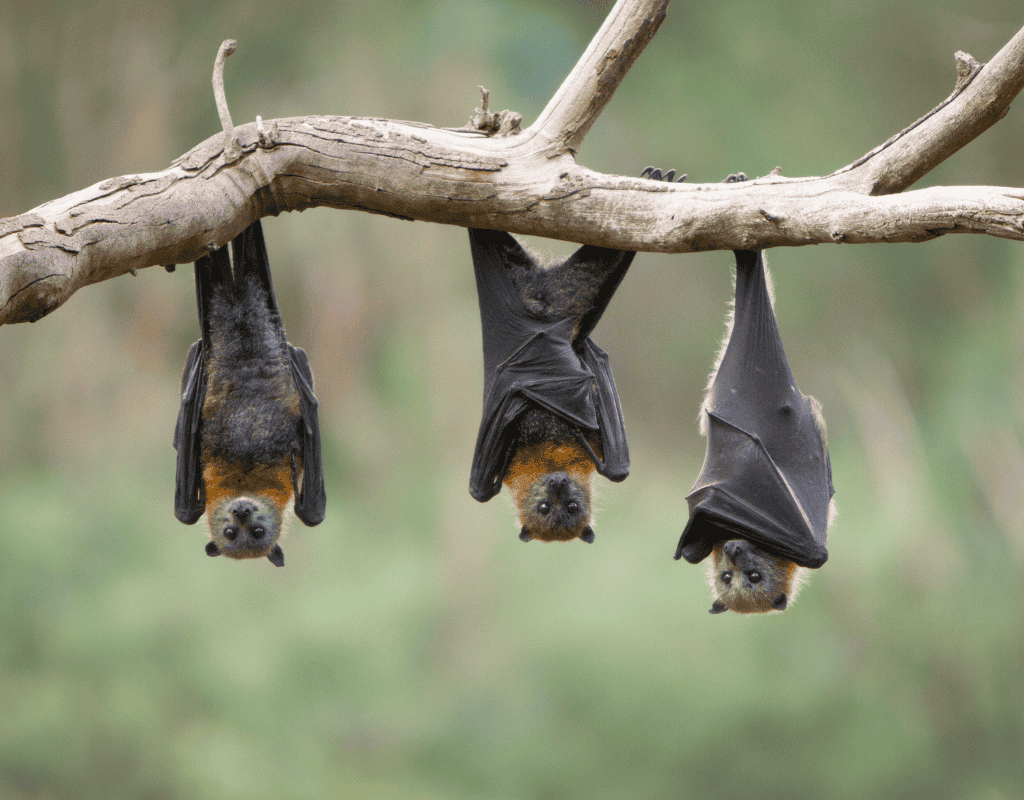
Bat removal in South Florida is different from raccoon, rat, or squirrel removal because bats are regulated wildlife. Florida has specific rules about when and how bats can be excluded from buildings.
The Florida Fish and Wildlife Conservation Commission explains that bats may be removed from buildings only through proper exclusion methods, and exclusion is not allowed during Florida’s bat maternity season unless specific public health or safety exceptions apply. Homeowners can review the official <a href=”https://myfwc.com/conservation/you-conserve/wildlife/bats/”>Florida bat removal and exclusion guidance</a> from FWC for more details.
This matters because young bats may be unable to fly during maternity season. If entry points are sealed too early, adult bats can be locked out while young bats remain trapped inside. That can create odor, contamination, animal welfare concerns, and legal problems.
Common Signs of Bats in the Attic or Roofline
Bats are nocturnal, so they are usually most active around dusk and dawn. Many homeowners first notice bats when they see small animals flying from the same area of the roof each evening.
Common signs of bats include:
- Bats flying out of a roofline near sunset
- Chirping, scratching, or squeaking sounds in walls or attic spaces
- Dark staining near vents, soffits, or entry gaps
- Bat droppings below an entry point
- Strong ammonia-like odor from accumulated guano
- Small droppings on patios, windowsills, or exterior walls
- Activity near shutters, fascia boards, chimneys, or gable vents
- Bats seen circling the same part of the structure at dusk
Bat droppings are often mistaken for rodent droppings. However, bat guano is usually found below roosting or entry areas and may crumble more easily than rat droppings.
Where Bats Commonly Roost in South Florida Homes
South Florida buildings can offer many protected places for bats to roost. Small gaps near roofs, vents, siding, shutters, and fascia are often enough for bats to enter.
Common bat roosting areas include:
- Attics
- Soffit gaps
- Fascia openings
- Gable vents
- Ridge vents
- Chimneys
- Wall voids
- Barrel tile roof gaps
- Loose shutters
- Screen enclosure frames
- Commercial signs
- Parking structures
- Outdoor pavilions
Bats do not need a large opening to access a structure. Small gaps along rooflines or vents may be enough for them to enter and form a roost.
Health Risks Linked to Bat Activity
Bats should not be handled directly. While most bats are not aggressive, they can bite if touched, trapped, or accidentally handled. A bat bite can be small and easy to miss, which is why any possible bat contact should be taken seriously.
The CDC states that bats are the most commonly reported animals with rabies in the United States and advises people to avoid touching bats and seek medical guidance after possible contact.
The Florida Department of Health also identifies raccoons and bats as the main wildlife sources of rabies in Florida.
Possible bat-related concerns include:
- Rabies exposure from bites or direct contact
- Guano accumulation in attic spaces
- Strong odors from urine and droppings
- Staining near entry points
- Contaminated insulation
- Air quality concerns from disturbed droppings
- Secondary insects attracted to guano
- Stress from bats entering living spaces
If a bat is found in a room with a sleeping person, child, pet, or someone who may not know whether contact occurred, medical or public health guidance should be sought promptly.
Bat Guano: Why Cleanup Matters
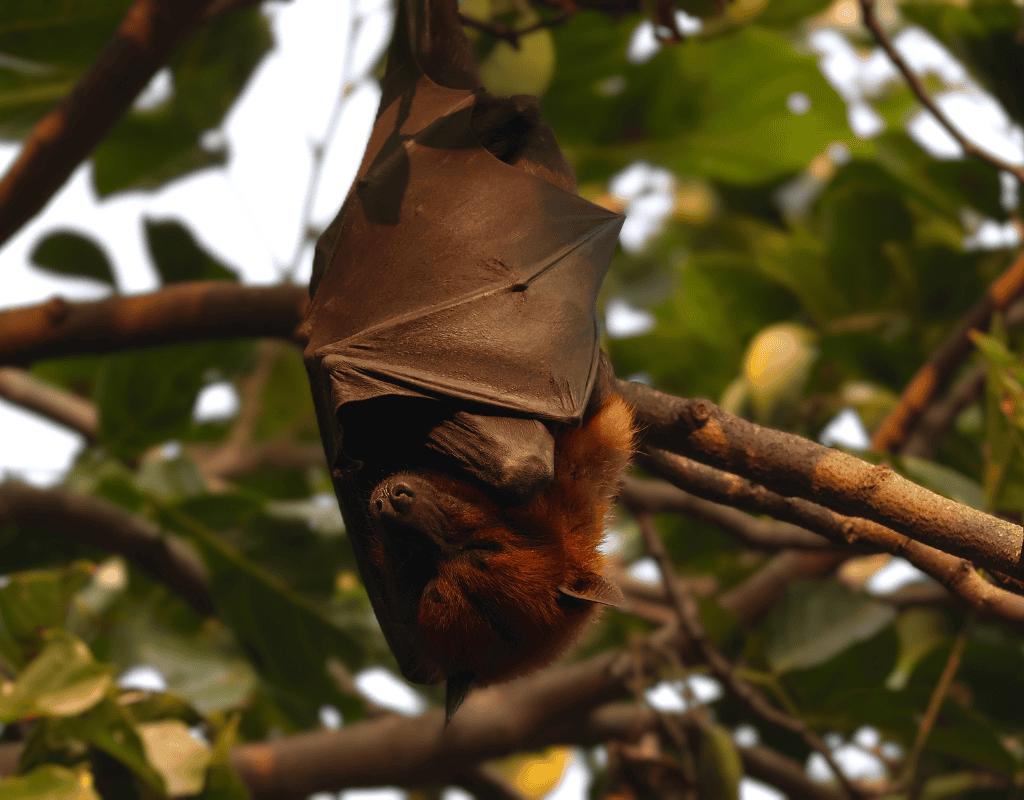
Bat guano can build up under roosting areas over time. In attics, guano may collect on insulation, beams, drywall surfaces, storage items, or near vents.
Guano buildup can create:
- Strong odor
- Staining
- Contaminated insulation
- Insect activity
- Unsanitary attic conditions
- Possible airborne particles if disturbed
Homeowners should avoid sweeping or vacuuming dry guano without proper protection. Disturbing contaminated material can spread dust through the attic or living space.
In some cases, cleanup may involve removing contaminated insulation, disinfecting affected surfaces, deodorizing the space, and reviewing ventilation or structural damage.
Florida Bat Exclusion Laws Homeowners Should Know
Bat exclusion is the process of allowing bats to leave a building through a one-way device while preventing them from returning. It is the standard method for resolving a bat colony inside a structure.
In Florida, bat exclusion must follow seasonal rules. FWC guidance states that bat exclusion is prohibited during maternity season, which runs from April 16 through August 14. This restriction helps protect flightless young bats that may be inside a roost.
Important legal and safety points include:
- Bats should not be trapped inside a building
- Bats should not be poisoned
- Entry points should not be sealed while bats are inside
- Exclusion should not be performed during maternity season
- One-way exclusion devices should be used properly
- All secondary entry points should be identified
- Permanent sealing should happen only after bats are confirmed gone
Bat removal in South Florida should always consider these rules before any work begins.
How Safe Bat Removal in South Florida Usually Works
A proper bat removal process is careful, legal, and prevention-focused. The goal is to remove the colony without harming the bats or creating new problems inside the structure.
Step 1: Inspection
The inspection identifies active roosting areas, entry points, staining, guano accumulation, and possible interior access. Rooflines, vents, chimneys, soffits, fascia, attic spaces, and exterior walls should be checked.
Step 2: Bat Activity Confirmation
Bat activity is often confirmed near dusk when bats leave the roost to feed. Watching where they exit helps locate active entry points.
Step 3: Exclusion Planning
If it is outside maternity season and exclusion is allowed, a plan is created to install one-way devices at active exits while sealing other potential openings as appropriate.
Step 4: One-Way Exclusion
One-way exclusion devices allow bats to leave but prevent re-entry. These devices must be installed correctly because bats can return to very small gaps.
Step 5: Final Sealing
After the bats are confirmed gone, entry points are permanently sealed with durable materials.
Step 6: Guano and Damage Review
The attic or roosting area should be reviewed for droppings, odor, insulation contamination, staining, or structural concerns.
For homeowners dealing with bats, roofline entry, attic contamination, or other nuisance wildlife issues, Palm Beach Wildlife Services provides <a href=”https://palmbeachwildlifeservices.com/services/”>animal removal services in South Florida</a> with inspection and prevention-focused solutions.
What to Do If a Bat Gets Inside the Living Space
A single bat inside a bedroom, living room, hallway, or garage can be stressful. The safest response is to avoid direct contact and keep people and pets away.
If a bat is inside:
- Stay calm and do not swing at the bat.
- Keep children and pets out of the room.
- Close interior doors to limit movement.
- Open an exterior door or window if it can be done safely.
- Do not handle the bat with bare hands.
- Seek medical guidance if contact may have occurred.
- Arrange professional removal if the bat does not leave or cannot be safely isolated.
If there is any chance that a person or pet had contact with the bat, do not release it before speaking with the proper health or animal control authority. Testing may be needed in possible exposure situations.
Bat Prevention Tips for South Florida Homes
Bat prevention focuses on closing small gaps and reducing attractive roosting opportunities.
Helpful prevention steps include:
- Inspect rooflines for small openings
- Repair soffit and fascia damage
- Screen vents with proper materials
- Seal gaps around chimneys and roof returns
- Check shutters and wall gaps
- Maintain attic vents and gable screens
- Repair loose siding or trim
- Inspect after storms or roof repairs
- Do not leave attic access gaps open
- Address guano stains quickly
- Monitor dusk activity near the roof
Because bats can use very small spaces, prevention requires careful inspection. A gap that looks minor from the ground may be large enough for bats to use.
Why DIY Bat Removal Is Risky
DIY bat removal often creates more problems than it solves. Bats are protected, and improper removal can trap animals inside, violate regulations, or increase health risks.
Homeowners should avoid:
- Sealing entry points while bats are inside
- Using poison or pesticides
- Installing netting during maternity season
- Handling bats with bare hands
- Disturbing guano without protection
- Relying on ultrasonic devices as the only solution
- Ignoring repeated dusk activity near the same roofline
Repellents, lights, and noise devices are not reliable solutions for an established bat roost. Exclusion and sealing are the most important long-term steps.
FAQ: Bat Removal in South Florida
Is bat removal in South Florida legal?
Yes, but it must be done according to Florida rules. Bats are protected, and removal usually requires proper exclusion rather than trapping or poisoning. Exclusion is restricted during maternity season from April 16 through August 14.
How do I know if bats are in my attic?
Common signs include bats flying from the same roof area at dusk, squeaking or scratching sounds, dark stains near vents or soffits, guano below entry points, and strong odors from attic spaces.
Can I seal the hole if bats are inside?
No. Sealing an opening while bats are inside can trap them in the structure. This may create odor, contamination, and legal concerns. Entry points should only be sealed after bats are confirmed gone through proper exclusion.
Are bats dangerous to humans?
Bats are beneficial animals, but direct contact can create rabies concerns. Any possible bat bite, scratch, or contact should be taken seriously, and medical or public health guidance should be sought.
What is the best way to prevent bats from returning?
The best prevention is proper exclusion followed by permanent sealing of entry points. Homeowners should also repair soffits, vents, fascia gaps, chimney openings, shutters, and small roofline gaps.
Conclusion
Bat removal in South Florida should always be handled with attention to safety, legality, and long-term prevention. Bats are valuable wildlife, but they can create serious concerns when they roost inside attics, rooflines, walls, vents, or occupied buildings.
The best solution is not trapping or poisoning. It is a careful exclusion process that follows Florida rules, allows bats to leave safely, seals entry points after the structure is clear, and addresses guano contamination when needed. With proper inspection, exclusion, cleanup, and prevention, homeowners can protect their property while handling bat activity responsibly.