Seasonal wildlife patterns in Southeast Florida help homeowners understand when raccoons, rats, squirrels, bats, iguanas, snakes, armadillos, and other nuisance animals are most likely to become active around homes. Pest activity changes by month based on breeding, nesting, food availability, storms, heat, rainfall, and shelter needs.
Southeast Florida does not have the same harsh winter pattern as many other regions. Wildlife can remain active year-round because the climate is warm, food sources are available, and neighborhoods often provide shelter near canals, lakes, golf courses, preserves, landscaping, and rooflines.
For homeowners, knowing what to expect each month makes prevention easier. Instead of waiting until scratching sounds, droppings, burrows, or attic damage appear, seasonal planning helps reduce problems before animals move in.
Why Seasonal Wildlife Patterns in Southeast Florida Matter
Seasonal wildlife patterns in Southeast Florida matter because animal behavior changes throughout the year. Some animals search for nesting spaces in spring. Others become more visible after summer rain. Rodents may enter homes when outdoor food changes. Reptiles may appear more often during warm, wet months.
The Florida Fish and Wildlife Conservation Commission explains that nuisance wildlife can include animals that cause property damage, create public safety concerns, or become an annoyance within, under, or upon a building. Homeowners can review the official <a href=”https://myfwc.com/conservation/you-conserve/wildlife/remove/”>FWC nuisance wildlife guidance</a> for more information.
Common seasonal wildlife concerns include:
- Rats entering attics and walls
- Raccoons nesting in rooflines or crawl spaces
- Squirrels chewing soffits and vents
- Bats roosting in attic gaps
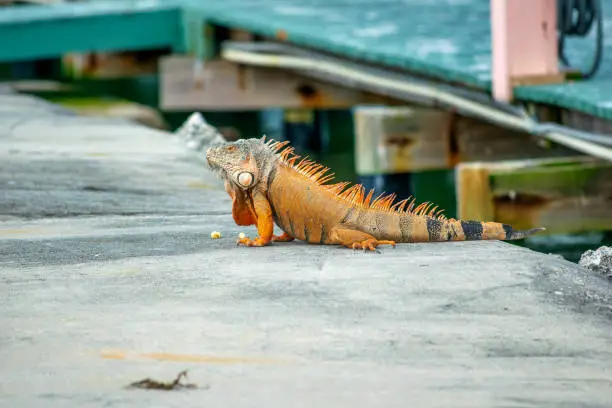
- Iguanas burrowing near seawalls
- Snakes appearing near yards and garages
- Armadillos digging lawns
- Coyotes and bobcats moving through neighborhoods
- Wild hogs damaging turf and landscaping
Understanding the timing of this activity allows homeowners to inspect the right areas before damage spreads.
January: Rodents, Iguanas, and Shelter-Seeking Wildlife
January in Southeast Florida is cooler than the rest of the year, but wildlife activity does not stop. Rodents remain active, especially roof rats that use attics, trees, fences, and rooflines.
Homeowners may notice:
- Scratching sounds in walls or ceilings
- Droppings in garages or attics
- Rats near fruit trees or outdoor food sources
- Iguanas basking during warmer parts of the day
- Wildlife using crawl spaces or sheds for shelter
Cold fronts can also affect iguanas. During cooler weather, iguanas may become sluggish or fall from trees when stunned by low temperatures. Homeowners should avoid handling them directly and keep pets away.
January prevention tips:
- Seal roofline gaps
- Trim branches away from the roof
- Remove fallen fruit
- Store pet food indoors
- Check attic vents and soffits
- Keep garage doors closed
February: Early Nesting and Increased Movement
By February, some animals begin increasing activity as temperatures rise. Raccoons, squirrels, and birds may start scouting for nesting areas. Rats may continue using attics and wall voids if access points remain open.
Common February warning signs include:
- Daytime scampering from squirrels
- Nighttime attic movement from rats or raccoons
- Chewed vents or soffits
- Nesting material near roofline openings
- Droppings near attic access areas
This is a good month for exterior inspection. Small gaps that seem harmless can become entry points once nesting activity increases.
February prevention tips:
- Inspect soffits, fascia, vents, and chimney caps
- Repair loose screens
- Remove clutter from garages
- Check for droppings in attic spaces
- Secure trash cans
- Avoid leaving bird seed scattered outdoors
March: Spring Wildlife Activity Begins
March often brings more visible wildlife movement. Spring activity can include migration, breeding, feeding, and nesting. FWC notes that many Florida wildlife species become more active in spring because migration, breeding, feeding, and nesting increase during this season.
In South Florida neighborhoods, March may bring:
- Raccoons looking for den sites
- Squirrels nesting in attics
- Birds building nests in vents
- Snakes moving through warm yards
- Iguanas becoming more active
- Rodents feeding around fruit trees and gardens
Homeowners should be cautious about sealing entry points during nesting periods. If young animals are inside, sealing too early can trap wildlife and create odor, noise, or damage problems.
March prevention tips:
- Inspect rooflines before nesting increases
- Keep pet food indoors
- Reduce debris piles
- Trim dense landscaping
- Check sheds and crawl spaces
- Monitor animal sounds closely
April: Bats, Nesting Animals, and Reptile Activity
April is an important month for bat awareness in Florida. Bat maternity season begins in mid-April, and exclusions are restricted during that period. Homeowners should avoid disturbing bat colonies or sealing bat entry points without understanding current rules.
April also brings more reptile activity. Snakes may appear near gardens, patios, garages, and pool equipment areas as temperatures rise.
April pest activity may include:
- Bats using roofline gaps
- Squirrels or raccoons with young
- Snakes moving through landscaping
- Iguanas feeding and basking
- Rats moving between outdoor food sources and attics
April prevention tips:
- Check for bat staining near vents and soffits
- Do not seal active bat openings during restricted periods
- Keep garage doors closed
- Reduce rodent activity that attracts snakes
- Maintain short grass near the home
- Remove clutter around patios and pool equipment
May: Heavy Wildlife Pressure Around Homes
May often brings strong wildlife pressure because many animals are feeding, raising young, or expanding their range. Attics, crawl spaces, sheds, and garages may become active areas.
South Florida homeowners may notice:
- Raccoon activity near rooflines
- Squirrel noises during the day
- Rat droppings in storage areas
- Snake sightings near warm surfaces
- Iguana damage in gardens
- Armadillo digging in moist lawns
May prevention tips:
- Keep trash tightly sealed
- Check attic noises quickly
- Protect gardens from iguanas
- Keep grass trimmed
- Inspect fence lines
- Remove fallen fruit daily
- Keep pets supervised outdoors
June: Rain, Heat, and Yard Damage
June begins the hotter, wetter part of the year. Rain can increase insect activity in lawns, which may attract armadillos and other digging animals. Moist soil can also make burrowing easier for iguanas and armadillos.
Common June concerns include:
- Armadillo holes in lawns
- Iguana burrows near seawalls
- Snakes near garages and patios
- Rodents using covered areas
- Raccoons foraging near trash
- Mosquitoes and insects attracting other wildlife
June prevention tips:
- Avoid overwatering lawns
- Monitor burrows near foundations or seawalls
- Keep mulch beds maintained
- Repair fence gaps
- Secure compost
- Keep outdoor food cleaned up
- Inspect drainage areas after heavy rain
July: Peak Heat and Water-Related Wildlife Activity
July heat can push wildlife toward shaded spaces, water sources, and sheltered areas around homes. Canals, ponds, pools, drainage areas, and shaded landscaping may see more activity.
July activity may include:
- Snakes near water or shaded cover
- Iguanas around pools, seawalls, and docks
- Rats using garages or attic spaces
- Raccoons visiting trash and outdoor kitchens
- Coyotes or bobcats moving near canals and preserves
July prevention tips:
- Keep pool decks clean
- Remove food from outdoor kitchens
- Store pet food indoors
- Trim vegetation near water edges
- Keep pets away from canals and ponds
- Close gaps under sheds and decks
- Secure trash before nightfall
August: Storm Season and Wildlife Displacement
August storms and heavy rainfall can change wildlife movement. Animals may leave flooded areas, seek dry shelter, or move closer to homes. Attics, garages, sheds, crawl spaces, and roofline gaps can become attractive during stormy periods.
August warning signs include:
- New scratching sounds after storms
- Animals entering garages or sheds
- Increased snake sightings
- Rodents moving indoors
- Damaged vents or soffits after wind
- Burrows appearing in soft soil
August prevention tips:
- Inspect the home after storms
- Repair damaged screens and vents
- Check rooflines for new openings
- Remove storm debris
- Keep drainage areas clear
- Keep pets indoors during heavy rain
- Watch for wildlife near flooded areas
September: Rodents, Snakes, and Outdoor Food Sources
September remains hot and wet, which keeps wildlife active. Rodents may increase around fruit trees, gardens, garbage areas, and garages. Snakes may follow rodents and other prey into yards.
September pest activity may include:
- Roof rats near trees and rooflines
- Snake sightings near garages or sheds
- Iguanas damaging landscaping
- Armadillo digging in moist soil
- Raccoons raiding trash
- Wildlife using storm debris for cover
September prevention tips:
- Pick up fruit quickly
- Store pantry items securely
- Seal garage door gaps
- Reduce rodent attractants
- Remove yard debris
- Check garden beds for digging
- Keep shrubs trimmed away from walls
October: Cooler Evenings and Roofline Checks
October can bring slightly cooler evenings, but wildlife remains active. This is a useful month for home maintenance because storm season may have created openings that animals can use later.
October concerns may include:
- Rats entering attic spaces
- Squirrels chewing roofline gaps
- Raccoons exploring soffits
- Bats roosting in gaps
- Opossums using sheds or crawl spaces
- Snakes moving through landscaping
October prevention tips:
- Inspect soffits and fascia
- Trim trees before branches touch the roof
- Secure attic vents
- Check chimneys and roof returns
- Clean garage storage areas
- Repair crawl space openings
- Keep outdoor food sources controlled
November: Rodents and Shelter-Seeking Animals
November is a major month for rodent prevention. As temperatures shift and food sources change, rats may become more noticeable inside walls, attics, garages, and kitchens.
November warning signs include:
- Nighttime scratching in ceilings
- Droppings in garages or pantries
- Chewed food packaging
- Grease marks near walls
- Pet reactions to cabinets or ceilings
- Roofline movement at night
November prevention tips:
- Seal small exterior gaps
- Store food in sealed containers
- Bring pet food inside
- Remove fallen fruit
- Clean garage corners
- Inspect attic access areas
- Check utility line openings
December: Year-End Wildlife Inspection
December is a good time for a full home inspection. Even during cooler periods, Southeast Florida wildlife remains active enough to cause damage. Homeowners should focus on the roof, attic, garage, crawl space, landscaping, seawalls, and outdoor storage areas.
December concerns may include:
- Rats in attic insulation
- Raccoons using roofline openings
- Opossums under sheds
- Iguanas basking near warm surfaces
- Snakes using quiet cover
- Wildlife attracted to holiday trash or food waste
December prevention tips:
- Secure holiday trash and food waste
- Inspect attic vents
- Check for droppings
- Remove clutter from storage areas
- Keep sheds closed
- Monitor outdoor pet areas
- Schedule repairs before spring nesting activity increases
Month-by-Month Wildlife Prevention Checklist
Homeowners can use this quick seasonal pest activity checklist throughout the year:
- January: Inspect for rats, iguanas, and shelter-seeking wildlife
- February: Repair roofline gaps before nesting increases
- March: Watch for spring nesting and increased movement
- April: Be aware of bat rules and reptile activity
- May: Monitor attics, gardens, and rooflines
- June: Watch for digging, burrows, and wet-soil damage
- July: Protect pets near water and shaded areas
- August: Inspect after storms and flooding
- September: Reduce fruit, rodent, and snake attractants
- October: Repair storm damage and roofline weaknesses
- November: Focus on rodent prevention
- December: Complete a full year-end wildlife inspection
For homeowners dealing with seasonal wildlife activity, attic noises, animal entry, burrows, droppings, or recurring property damage, Palm Beach Wildlife Services provides <a href=”https://palmbeachwildlifeservices.com/services/”>animal removal services in South Florida</a> for nuisance wildlife concerns.
How South Florida Homeowners Can Stay Ahead of Seasonal Pest Activity
The best way to manage seasonal wildlife patterns in Southeast Florida is to inspect before problems become emergencies. Most wildlife issues begin with one of three conditions: food, shelter, or access.
Helpful year-round prevention steps include:
- Seal gaps around rooflines, vents, and utility lines
- Trim tree branches away from the roof
- Secure trash cans
- Remove fallen fruit
- Bring pet food indoors
- Keep garages and sheds closed
- Repair screens and vents
- Maintain short grass near the home
- Reduce clutter around outdoor storage areas
- Monitor seawalls and foundations for burrows
- Keep pets supervised near canals and preserves
- Inspect after storms
Wildlife prevention works best when it is consistent. A single repair may help, but year-round maintenance is what keeps animals from finding new opportunities.
FAQ: Seasonal Wildlife Patterns in Southeast Florida
What months are wildlife pests most active in Southeast Florida?
Wildlife pests can be active year-round in Southeast Florida, but activity often increases in spring and summer because of breeding, nesting, feeding, rainfall, and warmer temperatures. Rodents, raccoons, squirrels, bats, snakes, iguanas, and armadillos may all become more noticeable during different months.
Why do animals enter South Florida homes during certain seasons?
Animals enter homes when they need shelter, nesting space, food, water, or protection from storms and heat. Roof gaps, soffit damage, crawl spaces, garages, sheds, and dense landscaping can all make a home more attractive.
What wildlife problems are common after heavy rain?
After heavy rain, homeowners may notice snakes, rodents, armadillos, iguanas, and other wildlife moving into drier or sheltered areas. Burrowing damage, flooded habitats, and storm debris can also change animal movement.
How can homeowners prevent seasonal pest activity?
The best prevention steps include sealing entry points, trimming trees, securing trash, removing fallen fruit, storing pet food indoors, repairing vents and screens, reducing clutter, and inspecting the home after storms.
When should a homeowner schedule wildlife removal?
Wildlife removal should be considered when animals enter the attic, walls, crawl space, garage, or living areas, or when there are repeated signs such as droppings, odors, scratching sounds, burrows, roof damage, or yard destruction.
Conclusion
Seasonal wildlife patterns in Southeast Florida help homeowners understand when pest activity is most likely to increase and which warning signs deserve attention. Because South Florida’s climate supports wildlife year-round, prevention should not be limited to one season.
A monthly approach makes wildlife control easier. By inspecting rooflines, attics, garages, yards, seawalls, gardens, and outdoor storage areas throughout the year, homeowners can reduce the risk of animal entry, property damage, contamination, and recurring nuisance wildlife problems.