
Signs of rats in your walls often include scratching sounds at night, gnawing noises, droppings, grease marks, foul odors, chewed materials, nesting debris, and pets reacting to hidden areas. Early detection helps South Florida homeowners stop a rodent infestation before rats spread into attics, kitchens, garages, insulation, and living spaces.
Rats are active, adaptable, and difficult to control once they settle inside a home. In South Florida, warm weather, fruit trees, dense landscaping, rooflines, garages, and outdoor food sources allow rats to stay active throughout the year.
A rat problem often starts quietly. A homeowner may hear light scratching behind a wall or notice a few droppings in a garage. Over time, the infestation can spread into attic insulation, cabinets, pantry areas, crawl spaces, and wall voids.
The key is knowing what to look for before the damage becomes more serious.

Why Signs of Rats in Your Walls Should Not Be Ignored
Rats inside walls are more than a noise problem. They can damage insulation, chew wiring, contaminate surfaces, and move through hidden parts of the structure. Because wall voids connect different areas of a home, rats can travel from an entry point to the attic, kitchen, garage, or pantry without being seen.
The CDC explains that rodents can carry diseases that may spread directly or indirectly to people, and it recommends checking for droppings and gnaw marks as warning signs of rodent activity. Homeowners can review the official <a href=”https://www.cdc.gov/healthy-pets/rodent-control/index.html”>CDC rodent control guidance</a> for general health and prevention information.
Common concerns include:
- Scratching or chewing sounds behind walls
- Droppings in garages, cabinets, attics, or pantries
- Gnawed food packaging
- Chewed wires or insulation
- Urine odors in enclosed areas
- Nesting material inside hidden spaces
- Rats spreading from one part of the home to another
- Repeat infestation if entry points remain open
Rats are most active at night, so early warning signs often appear after dark. A sound that starts in one wall may later be heard in the attic, ceiling, or kitchen if the issue spreads.
Scratching Sounds Behind Walls
One of the most common signs of rats in your walls is scratching. These sounds may be light, fast, or irregular. They often happen when rats move through wall voids, climb between levels, or search for nesting material.
Scratching sounds may be heard:
- Behind bedroom walls
- Near kitchen cabinets
- Around plumbing areas
- Inside ceiling corners
- Near attic access points
- Behind laundry rooms
- Around garage walls
Rats usually move along edges and hidden pathways. If the scratching is mostly heard at night, rats or mice may be more likely than squirrels, which are usually active during the day.
Gnawing or Chewing Noises
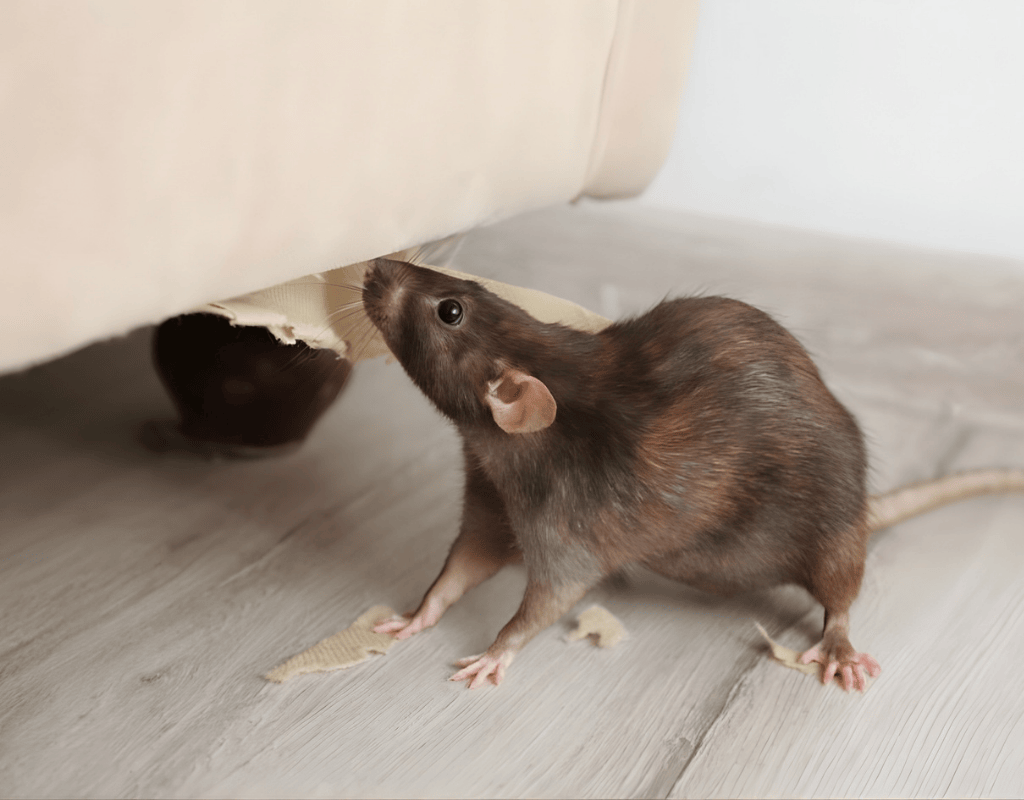
Rats need to gnaw regularly. This behavior can create chewing sounds inside walls, ceilings, cabinets, or attic spaces.
Gnawing noises may mean rats are chewing:
- Wood framing
- Plastic pipes or materials
- Electrical wiring
- Insulation
- Drywall edges
- Vent covers
- Food packaging
- Stored items
Chewed electrical wiring is one of the most serious risks associated with rodent activity. If damaged wiring is suspected, it should be inspected by a qualified professional.
Droppings Near Walls, Cabinets, or Attic Spaces
Droppings are one of the clearest signs of a rodent infestation. They are often found along travel routes, near food sources, inside cabinets, around garages, or beneath attic activity areas.
The EPA lists rodent droppings around food packages, drawers, cupboards, and under sinks as signs of rat or mouse infestation. It also notes that nesting materials, chewed packaging, stale smells, and holes through walls or floors can indicate rodent activity.
Droppings may appear in:
- Kitchen drawers
- Pantry shelves
- Under sinks
- Garage corners
- Attic insulation
- Behind appliances
- Along baseboards
- Near water heaters
- Around stored boxes
Fresh droppings are usually darker and softer. Older droppings may appear dry, gray, and crumbly. Avoid sweeping or vacuuming droppings without proper precautions because contaminated dust may become airborne.
Grease Marks and Rub Marks
Rats often use the same travel routes repeatedly. As they move along walls, baseboards, pipes, and beams, oil and dirt from their fur can leave dark rub marks.
Grease marks may appear:
- Along baseboards
- Around small wall openings
- Near garage edges
- Along attic beams
- Around pipe penetrations
- Near cabinet gaps
- Beside exterior entry points
These marks may look like smudges or dirty streaks. They are often found in narrow areas where rats squeeze through tight spaces.
Foul Odors From Hidden Rodent Activity
A strong, stale, musty, or ammonia-like odor can indicate rodent urine, droppings, nesting, or a dead animal inside a hidden area. Odor is especially common when rats have been active for a while.
Odors may be stronger near:
- Wall voids
- Attics
- Crawl spaces
- Garages
- Cabinets
- Laundry rooms
- Pantry areas
- HVAC or utility areas
If the odor becomes sudden and intense, there may be a dead rodent inside a wall or attic space. This should be handled carefully because the source may be difficult to access and may attract insects.
Pets Reacting to Walls or Cabinets
Dogs and cats often detect rodent activity before people do. Pets may stare at a wall, paw near cabinets, bark at ceiling corners, or become alert near appliances.
Pet behavior may point to rat activity when:
- A dog repeatedly sniffs the same wall
- A cat watches a cabinet or baseboard
- Pets react mostly at night
- Scratching sounds happen after pets become alert
- Pets focus on areas near the kitchen, garage, or attic
While pet behavior alone does not confirm rats, it is a useful warning sign when combined with noises, droppings, odors, or gnaw marks.
Nests and Shredded Materials
Rats build nests in quiet, hidden areas using soft materials. They may collect paper, fabric, insulation, dried plants, cardboard, or plastic.
Nesting material may be found:
- In attic insulation
- Behind appliances
- Inside garage storage boxes
- Under cabinets
- In wall voids
- Near water heaters
- In cluttered storage areas
- Around old furniture or boxes
Nests often indicate that rats are not just passing through. They may be using the home for shelter and reproduction.
Common Rat Entry Points in South Florida Homes
Rats can enter through small openings and may chew weak areas to make them larger. In South Florida, roof rats are especially common because they climb trees, fences, vines, rooflines, and utility lines.
Common entry points include:
- Roofline gaps
- Damaged soffits
- Fascia openings
- Attic vents
- Gable vents
- Utility pipe gaps
- AC line openings
- Garage door gaps
- Crawl space vents
- Foundation cracks
- Gaps under exterior doors
- Holes around plumbing lines
A complete inspection should include both the inside and outside of the home. Finding droppings indoors is important, but finding the entry points outside is what prevents the infestation from returning.
Why Rats Spread Quickly Once Inside
Rats move through hidden spaces and follow predictable routes between food, water, and shelter. Once inside walls, they may spread to other parts of the home without being seen.
A rat infestation can spread when:
- Entry points remain open
- Food is available in kitchens or pantries
- Pet food is left out
- Trash is unsecured
- Fruit trees drop food outside
- Clutter provides nesting areas
- Water sources are available
- Attic insulation provides shelter
This is why early detection matters. A small sound inside one wall can become a larger infestation if rats find consistent access to food and shelter.
What to Do If You Notice Signs of Rats in Your Walls
Homeowners should respond quickly but carefully. The goal is to confirm the infestation, avoid unsafe cleanup, and prevent rats from spreading.
Recommended steps include:
- Listen for when and where noises happen.
- Check nearby cabinets, garage areas, and attic access points for droppings.
- Look for gnaw marks, rub marks, and odors.
- Store food in sealed containers.
- Bring pet food indoors at night.
- Secure trash cans.
- Avoid sealing holes before confirming rat activity and removal strategy.
- Schedule a professional inspection if signs continue.
For homeowners dealing with wall noises, droppings, gnaw marks, or recurring rodent activity, Palm Beach Wildlife Services provides <a href=”https://palmbeachwildlifeservices.com/services/rat-removal-south-florida/”>rat removal services in South Florida</a> focused on removing infestations and preventing rodents from returning.
What Not to Do During a Rodent Infestation
Some DIY choices can make the problem worse. Rats inside walls require careful control because hidden spaces can be difficult to inspect.
Avoid these mistakes:
- Do not ignore scratching sounds
- Do not rely only on store-bought repellents
- Do not seal entry points before confirming rats are removed
- Do not leave pet food outdoors
- Do not dry sweep droppings
- Do not store food in open packaging
- Do not ignore gnaw marks on wiring
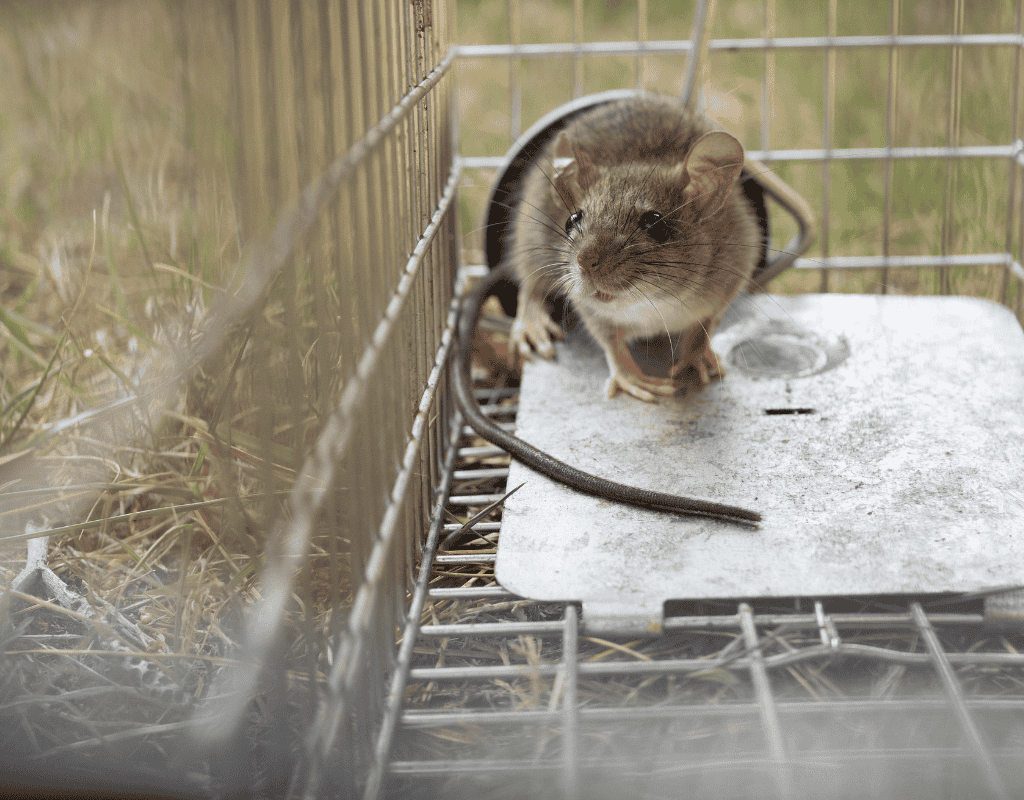
- Do not assume one trapped rat means the issue is solved
Trapping may remove some rats, but it does not solve the problem if entry points remain open. Long-term control depends on removal, exclusion, cleanup, and prevention.
How to Prevent Rats From Getting Into Walls
Rodent prevention works best when food, water, shelter, and entry points are all addressed.
Helpful prevention steps include:
- Seal gaps around pipes and utility lines
- Repair damaged soffits and fascia
- Cover vents with rodent-resistant materials
- Trim trees away from rooflines
- Store pantry food in sealed containers
- Keep pet food indoors overnight
- Secure trash cans
- Remove fallen fruit from the yard
- Keep garages organized
- Reduce clutter in storage areas
- Repair garage door gaps
- Inspect attic vents after storms
- Check exterior walls for small openings
South Florida homes should be inspected regularly because weather, roof wear, landscaping growth, and humidity can create new rodent access points over time.
FAQ: Signs of Rats in Your Walls
What are the most common signs of rats in your walls?
The most common signs include scratching sounds at night, gnawing noises, droppings, grease marks, urine odors, shredded nesting material, chewed packaging, and pets reacting to hidden areas.
Why do rats make noise inside walls?
Rats make noise when they climb, scratch, chew, nest, or travel between food and shelter. Wall voids give rats hidden pathways through the home, especially between attics, kitchens, garages, and utility areas.
Are rats in walls dangerous?
Rats in walls can create health and property concerns. They may contaminate areas with droppings and urine, chew wiring, damage insulation, and spread through hidden spaces if entry points remain open.
Can rats chew through walls?
Rats can gnaw through weak materials, drywall edges, wood, plastic, insulation, and other soft or damaged building materials. They may also enlarge existing gaps to improve access.
How do homeowners stop rats from coming back?
The best approach is to remove the infestation, seal entry points, repair exterior gaps, trim roof access routes, secure food, remove fallen fruit, clean affected areas safely, and monitor the home for new signs.
Conclusion
Signs of rats in your walls should be taken seriously, especially in South Florida homes where rodents can remain active year-round. Scratching sounds, droppings, odors, gnaw marks, grease stains, and pet reactions may all point to a hidden rodent infestation.
The most effective solution is not just removing the rats that are currently inside. Homeowners also need to identify entry points, reduce food sources, clean affected areas safely, and seal the home against future activity. Early action can help prevent a small wall noise from becoming a larger attic, kitchen, or whole-home rodent problem.