Iguana removal in South Florida helps homeowners protect landscaping, seawalls, pools, patios, gardens, and foundations from damage caused by invasive iguanas. Effective control starts with proper identification, understanding where iguanas live, removing attractants, blocking access, and using humane, legal removal methods when activity becomes persistent.
South Florida’s warm climate, dense landscaping, canals, seawalls, and waterfront neighborhoods create ideal conditions for iguanas. While these reptiles may look harmless when basking on a dock or fence, they can create costly problems when they dig burrows, leave droppings, damage plants, or gather around outdoor living areas.
For homeowners, the key is not just removing one visible iguana. The real goal is understanding why the property is attracting them and what can be done to reduce repeat activity.
Why Iguana Removal in South Florida Matters for Homeowners
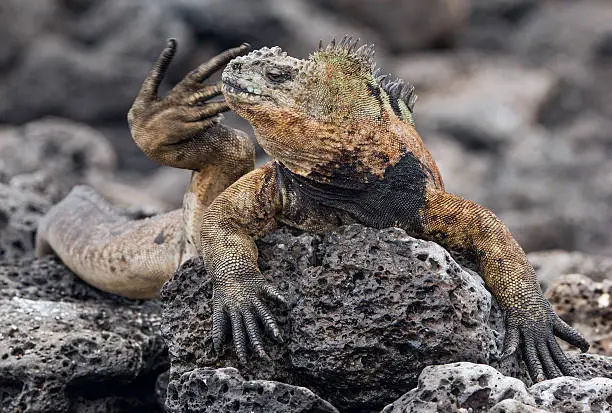
Iguanas are a common nuisance in South Florida because they thrive in warm, developed areas with access to food, shelter, and water. Residential neighborhoods with tropical landscaping, fruit trees, seawalls, canals, golf courses, and pool decks can become regular iguana habitat.
The Florida Fish and Wildlife Conservation Commission states that green iguanas are an invasive species in Florida and are not native to the state. Because they are nonnative, their growing presence can create problems for native wildlife, residential properties, and landscaped environments.
For homeowners, the most common concerns include:
- Burrows near seawalls, foundations, walkways, and patios
- Droppings around pools, docks, decks, and driveways
- Damage to flowers, shrubs, vegetable gardens, and fruit trees
- Iguanas basking on roofs, fences, boats, or outdoor furniture
- Repeat activity after short-term deterrents fail
Iguana removal in South Florida becomes especially important when burrowing begins. A single burrow may not seem serious at first, but repeated digging can weaken soil and contribute to erosion around hardscapes and waterfront structures.
How to Identify Iguanas on a South Florida Property
Most homeowners notice iguanas during daylight hours because they are active in the sun. They often bask on warm surfaces such as seawalls, sidewalks, pavers, roofs, rocks, pool decks, and fences.
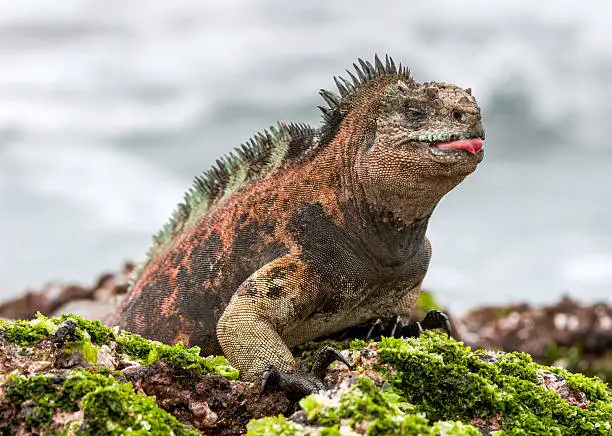
Green iguanas are usually the most recognized species in South Florida. Adults can become large, with long tails, strong legs, sharp claws, and a row of spines along the back. Their color can vary from bright green to gray, orange, or darker tones depending on age, sex, temperature, and breeding condition.
Common signs of iguana activity include:
- Long-tailed lizards sunning near water
- Fresh burrow openings in sandy or soft soil
- Chewed leaves, flowers, fruits, or garden plants
- Droppings on docks, patios, pool decks, or walkways
- Tracks or tail drag marks in loose soil
- Soil collapse around burrow entrances
Iguanas are often seen near canals and lakes because they are strong swimmers and use water as an escape route. If they feel threatened, they may quickly run toward water, climb trees, or retreat into burrows.
Common Iguana Damage in South Florida Yards
Iguana damage can affect both appearance and structure. The most visible damage usually occurs in landscaping, but the more expensive problems often happen below the surface.
UF/IFAS notes that iguanas can damage landscape plants, shrubs, flowers, and fruits, while burrows can undermine sidewalks, seawalls, and foundations. The same guidance also explains that droppings commonly collect in areas where iguanas bask.
Landscape and Garden Damage
Iguanas are herbivores, which means they feed heavily on plants. In South Florida, they may eat ornamental flowers, tender shoots, leafy greens, fruit, and vegetable garden plants.
Plants that may attract iguanas include hibiscus, roses, orchids, leafy greens, squash, melons, berries, mangoes, figs, and other soft vegetation. Homeowners with lush tropical landscaping may see repeated feeding damage if no prevention steps are taken.
Seawall and Foundation Concerns
Burrowing is one of the biggest reasons homeowners search for iguana control. Iguanas may dig into canal banks, under sidewalks, near patios, beside seawalls, or below landscape beds.
Over time, these burrows can loosen soil and contribute to erosion. On waterfront properties, burrows near seawalls should be taken seriously because erosion behind the wall can become difficult and expensive to correct.
Droppings Around Outdoor Living Areas
Iguana droppings can create sanitation concerns around pools, patios, docks, and outdoor kitchens. Droppings are often found in areas where iguanas repeatedly bask.
This becomes frustrating for homeowners because cleaning the surface does not solve the underlying problem. Unless the property becomes less attractive or access is reduced, iguanas may return to the same areas.
Iguana Removal in South Florida vs. Basic Deterrents
Many homeowners try simple deterrents first. Some may provide short-term relief, but they rarely solve a serious iguana problem on their own.
Common DIY deterrents include:
- Motion sprinklers
- Reflective objects
- Garden netting
- Repellent sprays
- Noise devices
- Removing fallen fruit
- Blocking small access points
These methods can help reduce activity in certain situations, but iguanas often adapt. A property with abundant food, shelter, water, and safe basking areas will continue attracting them.
Professional iguana removal in South Florida focuses on the full picture. That includes identifying travel routes, locating burrows, understanding food sources, assessing damage, and using removal or exclusion strategies that fit the property.
For homeowners in Palm Beach County, Palm Beach Wildlife Services provides iguana removal services in West Palm Beach for properties dealing with burrows, droppings, landscaping damage, and recurring iguana activity.
How Iguana Control Usually Works
Effective iguana control is not a single step. It is usually a combination of inspection, removal, habitat modification, and prevention.
Property Inspection
The first step is identifying where iguanas are active and why they are returning. This includes checking:
- Seawalls and canal banks
- Pool decks and patios
- Garden beds and fruit trees
- Fence lines and retaining walls
- Roof edges and trees
- Burrows near hardscapes
- Areas with repeated droppings
A detailed inspection helps separate occasional sightings from a true property problem.
Targeted Removal
When iguanas are repeatedly damaging a property, removal may be needed. Safe handling matters because iguanas can scratch, bite, whip with their tails, and escape quickly into water or dense vegetation.
Florida regulations around nonnative wildlife can also change, so homeowners should follow current FWC guidance and avoid careless handling. Removal should be humane, legal, and appropriate for the situation.
Habitat Modification
After removal, the property should be made less attractive. Habitat modification may include:
- Removing fallen fruit
- Trimming dense vegetation
- Reducing low hiding areas
- Protecting vulnerable plants
- Limiting access to rooflines or ledges
- Managing burrow-prone soil areas
- Installing barriers where appropriate
This step is important because iguanas are often drawn to predictable food and shelter.
Burrow and Damage Review
Vacant burrows should be evaluated before filling or repairing. Filling an active burrow without confirming activity can create additional issues. The safest approach is to determine whether the burrow is occupied, inactive, or part of a larger burrow system.
Seawall and structural concerns may require additional inspection by a qualified repair professional if soil erosion or settling is visible.
Iguana Prevention Tips for South Florida Homes
Prevention is usually easier than repeated removal. South Florida homeowners can reduce iguana activity by changing the conditions that attract them.
Helpful prevention steps include:
- Pick up fallen fruit quickly
- Avoid leaving pet food outdoors
- Protect vegetable gardens with secure barriers
- Use iguana-resistant landscaping where possible
- Trim branches that provide roof or fence access
- Reduce dense ground cover near seawalls and patios
- Install barriers around burrow-prone areas
- Keep pool decks and patios clean
- Monitor seawalls and canal banks for new holes
No prevention method is perfect, but consistent property maintenance can make a home less inviting.
Best Landscaping Choices for Iguana Prevention
Landscaping plays a major role in iguana prevention. Many South Florida properties use lush plants that provide food and cover for wildlife. While tropical landscaping is attractive, it may also give iguanas everything they need.
To reduce activity, homeowners can limit plants that iguanas prefer and use more resistant options where practical. Physical protection may also be needed around vegetable gardens, flowering plants, and young trees.
Smart landscaping strategies include:
- Using wire barriers around vulnerable planting beds
- Removing thick brush piles or stacked materials
- Keeping shrubs trimmed away from structures
- Protecting young plants until they mature
- Choosing less attractive plants in high-activity areas
- Keeping open visibility along seawalls and fence lines
The goal is not to remove all landscaping. The goal is to make the property less comfortable for iguanas.
When Iguana Removal in South Florida Should Be Handled Professionally
A single iguana passing through a yard may not require professional service. However, repeated sightings, burrows, droppings, or damage usually indicate a larger issue.
Professional help is worth considering when:
- Iguanas are digging near seawalls or foundations
- Droppings keep appearing around pools or patios
- Landscaping damage continues after deterrents
- Iguanas are nesting or using burrows on the property
- The property borders a canal, lake, or golf course
- DIY methods have not reduced activity
- Safe handling is a concern
Iguanas can be difficult to catch, especially in waterfront areas. They move quickly, climb well, swim easily, and often return if food and shelter remain available.
What Homeowners Should Avoid During Iguana Control
Some control attempts can make the problem worse or create safety risks.
Avoid these mistakes:
- Do not attempt unsafe handling without proper equipment
- Do not use poisons or illegal control methods
- Do not fill burrows without checking activity
- Do not rely only on sprays or noise devices
- Do not feed iguanas intentionally or unintentionally
- Do not ignore seawall or foundation burrows
- Do not assume one removal solves the full issue
A better approach is to combine removal with prevention. That gives the property a better chance of staying protected over time.
Iguanas are common in South Florida because the warm climate, waterfront properties, dense landscaping, and year-round food sources help them survive and reproduce. Canals, lakes, seawalls, gardens, and pool areas often provide ideal habitat.
Iguanas can damage flowers, shrubs, fruit trees, vegetable gardens, pool areas, patios, docks, and seawalls. Their burrows can also loosen soil near foundations, sidewalks, canal banks, and retaining walls.
Green iguanas are nonnative in Florida and are not protected except by anti-cruelty laws. Homeowners should follow current FWC guidance and use humane, legal methods when removal is needed.
Homeowners can reduce iguana activity by removing fallen fruit, trimming dense vegetation, protecting gardens, blocking burrow-prone areas, cleaning droppings quickly, and reducing access to seawalls, patios, and rooflines.
DIY repellents may provide temporary relief, but they often fail when a property still offers food, shelter, water, and safe basking areas. Long-term iguana control usually requires removal, habitat modification, and prevention.
Conclusion
Iguana removal in South Florida is about more than removing a visible reptile from the yard. It requires understanding how iguanas use the property, where they are finding food and shelter, and what damage they may already be causing.
For homeowners, the most effective approach combines proper identification, safe removal, habitat changes, landscaping adjustments, and ongoing prevention. When iguanas begin burrowing near seawalls, damaging plants, or leaving droppings around outdoor spaces, early action can help reduce long-term property damage and recurring activity.