Raccoon removal in South Florida helps protect homes from attic damage, roof entry, torn insulation, contaminated spaces, and safety risks. The safest approach is to identify the signs early, avoid direct contact, locate entry points, remove attractants, and use legal, humane wildlife control methods that prevent raccoons from returning.
Raccoons are common across South Florida neighborhoods because homes, canals, trees, trash bins, crawl spaces, and rooflines create ideal shelter and food opportunities. These animals are intelligent, strong, and highly adaptable. Once a raccoon finds access to an attic, soffit, chimney, garage, or crawl space, it may return repeatedly unless the entry point is properly addressed.
For homeowners, the goal is not simply getting a raccoon out of the property. The goal is solving the source of the problem so the animal does not come back or create a larger infestation.
Why Raccoon Removal in South Florida Matters
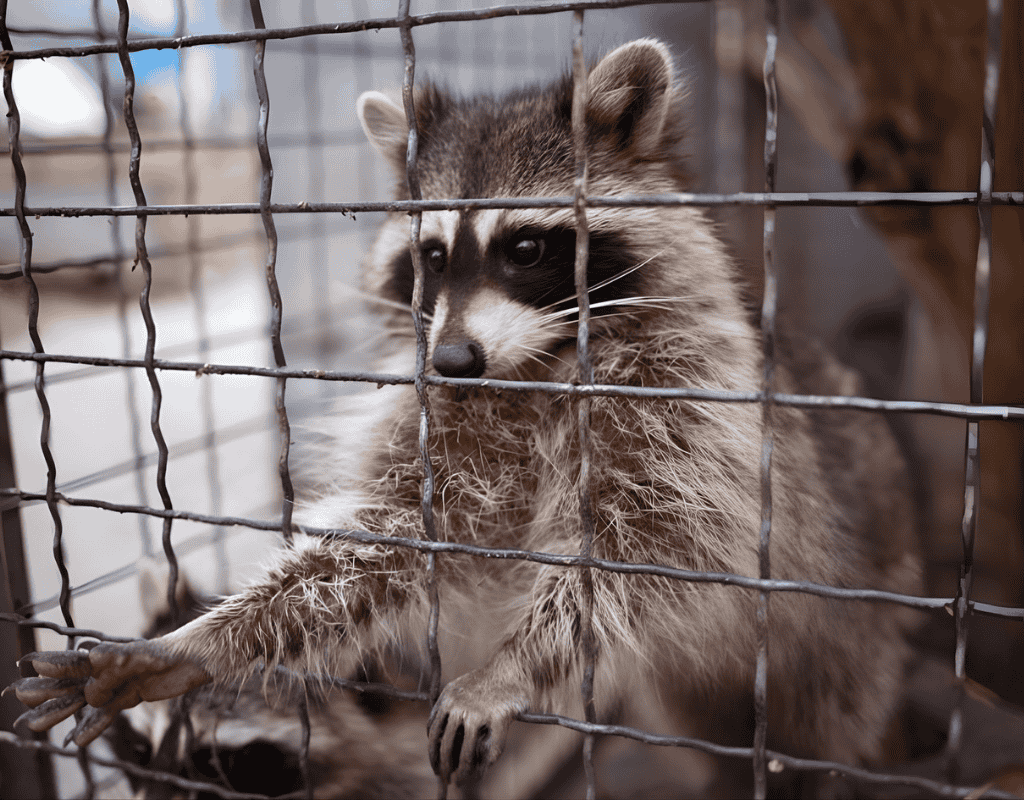
Raccoons may look harmless from a distance, but they can cause serious property damage once they move into a home. They are especially active at night, which means many homeowners first notice the problem through sounds rather than sightings.
Common raccoon problems include:
- Heavy thumping noises in the attic at night
- Scratching or dragging sounds behind walls
- Damaged soffits, fascia, vents, or shingles
- Torn insulation inside attic spaces
- Droppings and urine contamination
- Strong odors from nesting areas
- Trash cans tipped over repeatedly
- Pet food disappearing from outdoor areas
- Tracks around roofs, fences, or pool decks
In South Florida, raccoons often use rooflines, palm trees, fences, and overhanging branches to access homes. Once they find a weak spot, they can pull, tear, or pry their way into attic spaces.
Professional raccoon control is important because these animals can become defensive when cornered, especially if young are present. Handling the situation incorrectly can increase the risk of bites, scratches, property damage, and trapped animals inside the structure.
How to Tell If Raccoons Are on Your Property
Raccoons are nocturnal, so they are most active after sunset and before sunrise. A raccoon walking across a fence or yard does not always mean there is an infestation. However, repeated activity around the same part of the home usually deserves closer attention.
Common Signs of Raccoons in the Attic
Attic activity is one of the most common reasons homeowners search for raccoon removal in South Florida. Raccoons are larger than rats or squirrels, so the sounds they make are often heavier and more obvious.
Signs may include:
- Loud footsteps or thumping above the ceiling
- Scratching near vents or roof edges
- Sounds of animals moving insulation
- Noises that happen mostly at night
- Stains near soffits or attic vents
- Damaged roof materials
- A visible opening near the roofline
If the sounds seem heavy, slow, and deliberate, a raccoon may be the source. Rats and squirrels usually create lighter scratching or scurrying sounds.
Common Signs of Raccoons Outside
Not all raccoon problems begin inside the home. Many start outdoors with easy food access.
Watch for:
- Trash cans opened or knocked over
- Garden damage
- Fish ponds disturbed
- Pet food bowls emptied
- Paw prints near patios or pools
- Droppings along fences or decks
- Raccoons seen near the same route nightly
Raccoons are skilled climbers and can move through trees, gutters, screens, and fences with ease. A property with consistent food sources can quickly become part of their nightly route.
Why Raccoons Enter South Florida Homes
Raccoons enter homes for shelter, warmth, safety, and nesting space. In South Florida, they may not need shelter from freezing temperatures as often as raccoons in colder climates, but attics and crawl spaces still provide protection from rain, predators, heat, and human activity.
The most common reasons raccoons enter homes include:
- Accessible attic vents
- Loose soffit panels
- Damaged fascia boards
- Broken roof returns
- Uncovered chimneys
- Gaps around rooflines
- Open crawl space vents
- Overhanging tree branches
- Food sources nearby
Female raccoons may seek safe nesting areas when raising young. This is one reason homeowners should avoid sealing an opening without confirming whether animals are still inside. Closing an entry point too early can trap raccoons inside walls, ceilings, or attic spaces.
Raccoon Health and Safety Concerns
Raccoons should never be handled directly. Even a raccoon that appears calm can bite or scratch if it feels threatened. They may also carry parasites, bacteria, and diseases that can affect people and pets.
One of the most important concerns is rabies. According to the Florida Department of Health, raccoons and bats are the main wildlife sources of rabies in Florida. Homeowners can review the state’s current Florida Department of Health rabies guidance for additional public health information.
Possible raccoon-related concerns include:
- Rabies exposure from bites or scratches
- Roundworm risk from droppings
- Fleas, ticks, and mites
- Urine and feces contamination
- Odors in attic insulation
- Pet exposure near yards or patios
- Secondary pest issues from nesting material
If a person or pet is bitten or scratched by a raccoon, medical or veterinary guidance should be sought immediately. Do not attempt to capture a sick, aggressive, or unusually behaving raccoon without trained help.
What Not to Do During a Raccoon Problem
When homeowners hear noises in the attic, it is natural to want the animal gone quickly. However, some common DIY responses can make the situation worse.
Avoid these mistakes:
- Do not block the entry hole before confirming the raccoon is gone
- Do not enter a confined attic space with an active raccoon
- Do not use poison
- Do not attempt to grab or corner the animal
- Do not rely on loud music or lights as the only solution
- Do not clean droppings without proper protection
- Do not ignore damaged vents, soffits, or roof gaps
Poison should never be used for raccoons. It can create serious odor problems if an animal dies inside a wall or attic, and it may create risks for pets, children, and non-target wildlife.
Safe Raccoon Removal in South Florida
Safe raccoon removal starts with a careful inspection. The inspection should determine whether raccoons are only visiting the property or actively living inside the structure.
A proper raccoon removal process usually includes:
- Inspecting the roof, attic, vents, soffits, and exterior access points
- Identifying signs of nesting, droppings, tracks, or damage
- Determining whether young animals may be present
- Removing the raccoon using appropriate legal and humane methods
- Sealing entry points after confirming the structure is clear
- Cleaning or recommending cleanup of contaminated materials
- Reducing attractants that caused the problem
For homeowners dealing with raccoons in attics, crawl spaces, or rooflines, Palm Beach Wildlife Services provides raccoon removal services in South Florida designed to address both removal and prevention.
Raccoon Entry Points Homeowners Should Check
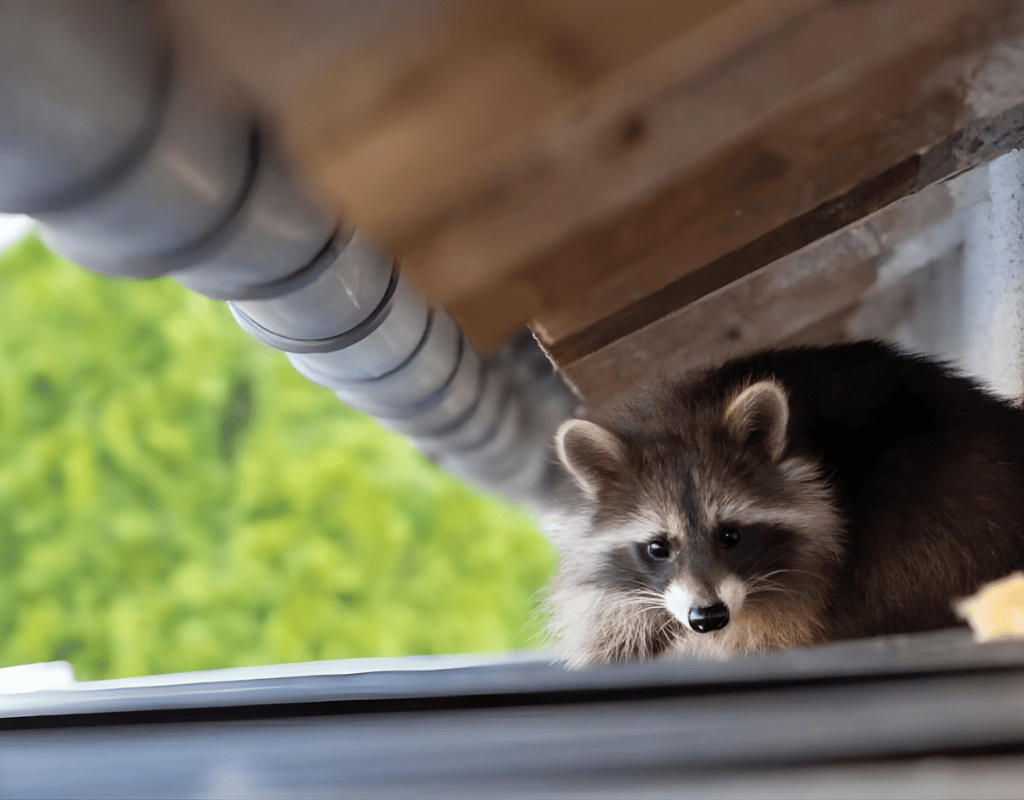
Raccoons are stronger than many homeowners expect. They can widen small openings and create enough space to enter an attic.
Common entry points include:
- Roof vents
- Soffit gaps
- Fascia damage
- Chimneys without caps
- Loose attic screens
- Broken gable vents
- Roof returns
- Gaps near dormers
- Crawl space openings
- Pet doors or garage gaps
A raccoon does not need a large opening to begin causing damage. If it can get its paws into a weak section, it may tear the material wider.
How to Prevent Raccoons from Returning
Prevention is the most important part of raccoon control. Removing the raccoon without fixing the reason it entered can lead to repeat problems.
Helpful prevention steps include:
- Secure trash cans with tight lids
- Bring pet food indoors at night
- Trim branches away from the roofline
- Install chimney caps
- Repair damaged soffits and fascia
- Cover vents with wildlife-resistant materials
- Keep garages closed when not in use
- Remove fallen fruit from yards
- Avoid feeding wildlife
- Inspect roof edges after storms
South Florida homes should be checked regularly because wind, rain, humidity, and roof wear can create new openings over time. A small damaged area may not look urgent from the ground, but it can be enough for wildlife to investigate.
Raccoons in the Attic: Why Cleanup Matters
Once raccoons have lived in an attic, removal alone may not fully resolve the issue. Droppings, urine, nesting material, and damaged insulation can remain behind.
Attic contamination may create:
- Lingering odors
- Stained insulation
- Damaged air quality
- Attraction for other wildlife
- Insect activity
- Sanitation concerns
Cleanup should be handled carefully. Raccoon droppings can carry health risks, and dry contaminated material can become airborne when disturbed. Protective equipment and proper disposal methods are important.
DIY Raccoon Control vs. Professional Removal
Some homeowners try to solve raccoon problems with bright lights, ammonia, radios, or store-bought repellents. These methods may temporarily disturb raccoons, but they do not repair entry points or address contamination.
DIY methods often fail when:
- The raccoon has already entered the attic
- A female raccoon has young inside
- Food sources remain available
- Roof access is easy
- Entry points are not sealed
- The homeowner cannot safely inspect the space
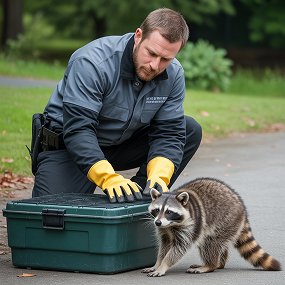
Professional raccoon removal is often the safer option when raccoons are inside a structure, when roof work is needed, or when contamination is present.
When to Schedule Raccoon Removal in South Florida
Raccoon problems should be addressed as soon as signs appear. Waiting can lead to more damage, stronger odors, and a higher chance of nesting activity.
Homeowners should consider raccoon removal when:
- Noises are heard in the attic at night
- A raccoon is seen entering the roofline
- Soffit or vent damage appears
- Droppings are found near the home
- Trash problems happen repeatedly
- Pets react to something near the house
- Odors are coming from attic or crawl spaces
Early action usually makes the removal and repair process easier.
FAQS: Raccoon Removal in South Florida
How do I know if I need raccoon removal in South Florida?
Raccoon removal may be needed if there are loud nighttime noises in the attic, damaged soffits, torn vents, droppings, trash disturbance, or repeated raccoon sightings near the same entry point. Heavy movement above the ceiling is a common warning sign.
Are raccoons dangerous to homeowners?
Raccoons can be dangerous if handled, cornered, or surprised. They may bite or scratch when threatened and can carry diseases, parasites, fleas, and ticks. Homeowners should avoid direct contact and keep pets away from raccoons.
Can raccoons damage an attic?
Yes. Raccoons can tear insulation, damage ducts, leave droppings, create strong odors, and enlarge roof or soffit openings. If they nest in the attic, contamination and repair needs may increase.
Will raccoons leave on their own?
Sometimes raccoons leave temporarily to search for food, but they may return if the attic or property provides shelter and easy access. If an entry point remains open, the problem can continue or attract other animals.
What is the best way to prevent raccoons?
The best prevention methods include securing trash, removing outdoor food sources, trimming branches away from the roof, repairing soffits and vents, installing chimney caps, and sealing entry points after confirming no animals are inside.
Conclusion
Raccoon removal in South Florida requires more than chasing an animal away. Raccoons are intelligent, strong, and persistent, especially when they find safe shelter inside an attic, chimney, crawl space, or roofline.
The safest approach is to identify signs early, avoid direct contact, inspect the property, remove attractants, handle removal legally and humanely, and seal the entry points that allowed access in the first place. With the right prevention steps, homeowners can reduce property damage, protect attic spaces, and lower the chance of recurring raccoon activity.