Opossum removal in South Florida helps homeowners manage nuisance wildlife around crawl spaces, sheds, garages, patios, decks, porches, and yards. The best approach is to avoid direct contact, remove food sources, block shelter access, and use humane wildlife removal when opossums become persistent.
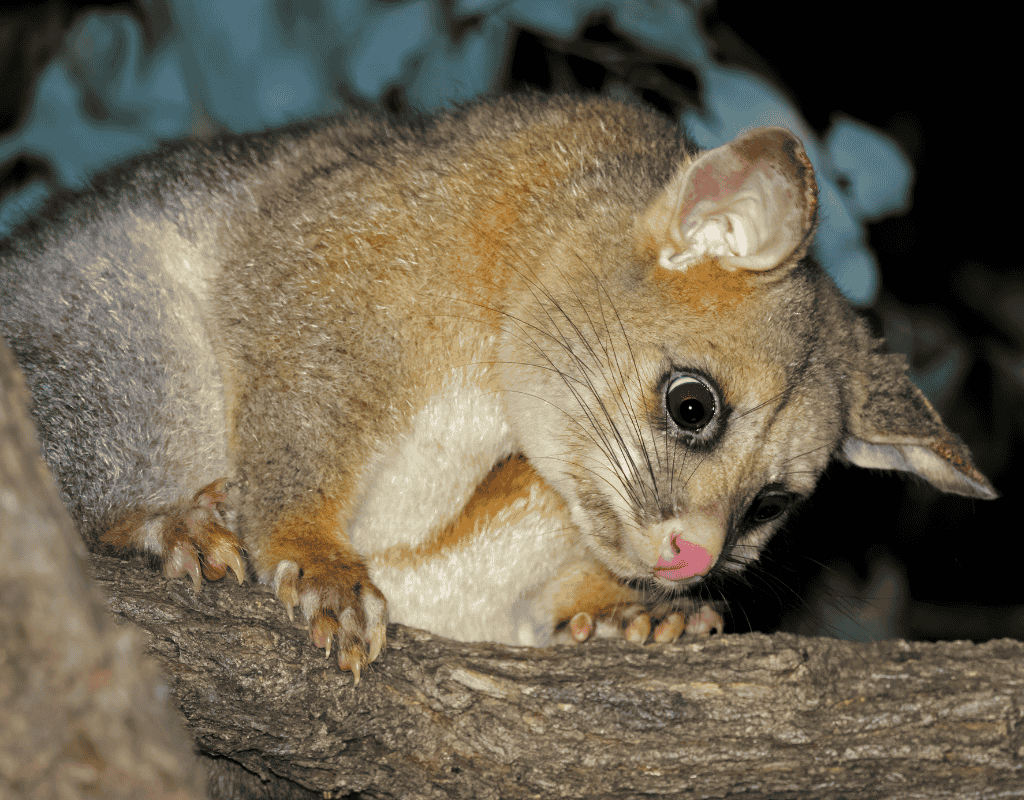
Opossums are common throughout South Florida because residential neighborhoods offer easy access to food, water, shelter, and quiet hiding places. These animals are mostly active at night, which means homeowners may not notice them until trash is disturbed, pets react outside, or noises are heard under a deck or crawl space.
In many cases, an opossum is simply passing through. However, when one starts returning nightly, nesting under a structure, entering a garage, or leaving droppings near outdoor living areas, the issue should be addressed before it becomes more difficult to manage.
Why Opossum Removal in South Florida Matters
South Florida homes often provide ideal conditions for opossums. Warm weather, dense landscaping, fruit trees, pet food, open trash cans, insects, and crawl space openings can all attract them.
An occasional sighting may not be a major concern. The problem starts when opossums begin using the property as a regular shelter or food source.
Common reasons homeowners need opossum removal include:
- Opossums living under a house, deck, shed, or porch
- Droppings near patios, garages, or walkways
- Pets repeatedly finding wildlife in the yard
- Trash cans being disturbed at night
- Outdoor pet food disappearing
- Strong odors near crawl spaces or enclosed areas
- Noises under the home or around storage areas
- Opossums entering garages, lanais, or screened spaces
The Florida Fish and Wildlife Conservation Commission explains that an opossum may be considered a nuisance animal when it causes or is about to cause property damage, presents a public safety concern, or becomes an annoyance in, under, or upon a building. Homeowners can review the official <a href=”https://myfwc.com/media/28161/livingwithopossums.pdf”>FWC guidance on living with opossums</a> for more information.
Are Opossums Dangerous to Homeowners?
Opossums are usually not aggressive. When threatened, they may hiss, show their teeth, drool, freeze, or play dead. These behaviors can look alarming, but they are usually defensive reactions.
Even so, homeowners should never handle an opossum directly. Any wild animal can bite or scratch if cornered, injured, trapped, or frightened.
Possible concerns include:
- Bites or scratches from defensive behavior
- Fleas, ticks, mites, or other parasites
- Droppings and urine near living areas
- Odors from nesting under structures
- Pet encounters in yards or patios
- Contamination in garages or crawl spaces
If an opossum appears sick, injured, unusually aggressive, or unable to leave an area, keep children and pets away. Do not attempt to pick it up or move it by hand.
Common Signs of Opossum Activity
Because opossums are nocturnal, signs often appear before the animal is seen. Homeowners may notice activity early in the morning after an opossum has moved through the property overnight.
Common signs include:
- Trash bags torn open
- Pet food bowls emptied outside
- Droppings near patios, sheds, or garages
- Tracks in mulch, sand, or soft soil
- Rustling sounds near shrubs or storage areas
- Strong odors around decks or crawl spaces
- Nesting material under structures
- Pets barking at the same area after dark
Opossums may travel along fences, walls, garden beds, and quiet edges of a property. They usually prefer areas with cover, so dense landscaping and clutter can make them harder to notice.
Why Opossums Come Onto South Florida Properties
Opossums are opportunistic feeders. They are attracted to whatever food is easiest to find. In South Florida neighborhoods, that often means trash, fallen fruit, insects, pet food, compost, and water sources.
Common attractants include:
- Pet food left outdoors overnight
- Open or loose trash cans
- Fallen mangoes, berries, or other fruit
- Bird seed under feeders
- Compost piles
- Insects, grubs, and small animals
- Outdoor water bowls
- Dense shrubs
- Open crawl spaces
- Gaps under sheds or decks
- Cluttered storage areas
A property with both food and shelter is more likely to experience repeated opossum activity. Removing those attractants is one of the most important parts of long-term opossum control.
Opossums Under the House, Porch, Deck, or Shed
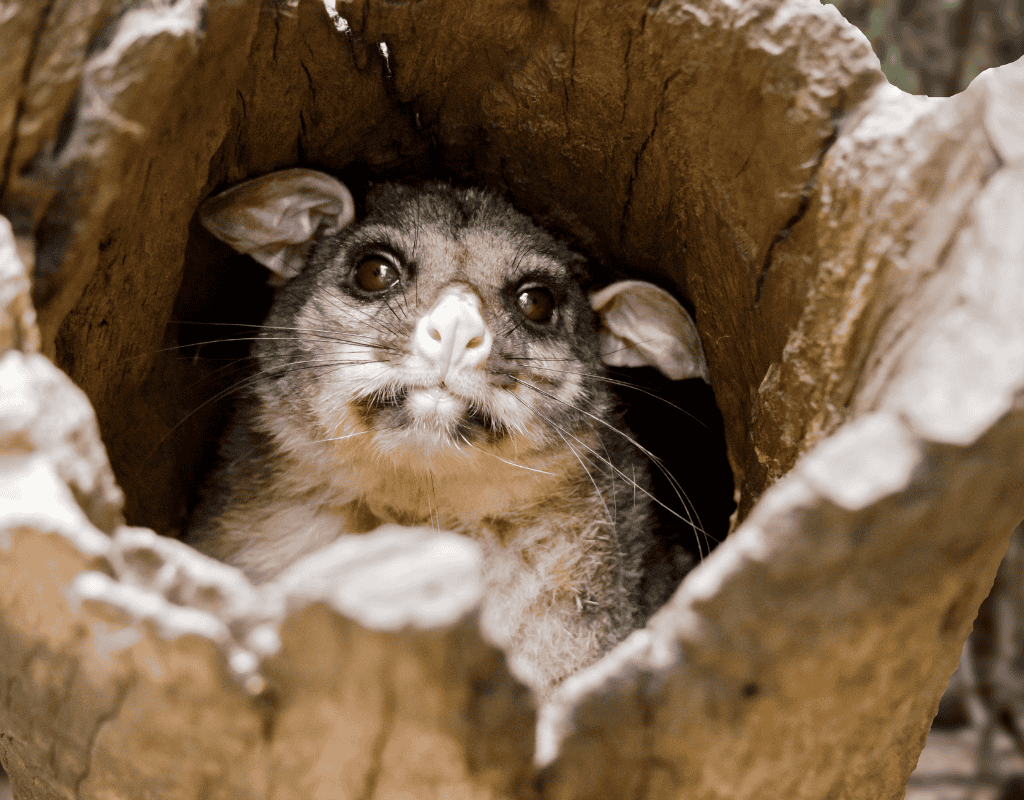
Opossums often use protected spaces under structures because these areas are dark, quiet, and sheltered from weather. In South Florida, crawl spaces, sheds, porches, decks, and raised structures can become convenient hiding places.
This can create several problems:
- Odors near the structure
- Droppings or urine buildup
- Nesting material under the home
- Flea or tick activity
- Noises at night
- Concern for pets and children
- Difficulty confirming whether the animal has left
Before sealing any opening, it is important to confirm the opossum is no longer inside. Closing an access point too early can trap the animal and create a bigger issue.
Opossum Removal in South Florida: What the Process Includes
Effective opossum removal should focus on both the animal and the conditions attracting it. Removing one opossum will not solve the issue if the same food and shelter sources remain available.
A complete process usually includes inspection, removal, exclusion, and prevention.
Property Inspection
An inspection helps identify where opossums are active and why they are returning.
Important areas to check include:
- Crawl space openings
- Decks and porches
- Sheds and detached structures
- Garages
- Outdoor kitchens
- Pool equipment areas
- Fence lines
- Trash storage areas
- Garden beds
- Pet feeding areas
The inspection should determine whether the opossum is passing through, feeding on the property, or living under a structure.
Humane Removal
If an opossum is nesting, trapped, or repeatedly causing nuisance activity, humane removal may be needed. Safe removal reduces the risk of bites, scratches, stress to the animal, and improper handling.
For properties dealing with recurring opossum activity, Palm Beach Wildlife Services provides <a href=”https://palmbeachwildlifeservices.com/services/possum-removal-south-florida/”>possum removal services in South Florida</a> for residential wildlife concerns.
Exclusion and Sealing
After the opossum is removed, the entry area should be secured. This may include closing crawl space gaps, adding barriers around sheds, repairing screens, or blocking access under decks and porches.
Exclusion should only be done after confirming the space is clear.
Attractant Removal
Food sources should be removed so another opossum does not move into the same area. This step is especially important in neighborhoods with fruit trees, outdoor pets, and regular wildlife activity.
How to Prevent Opossums from Returning
Opossum prevention is usually straightforward, but it requires consistency. Most recurring issues are connected to easy food or shelter.
Helpful prevention steps include:
- Bring pet food indoors at night
- Secure trash cans with tight lids
- Pick up fallen fruit regularly
- Clean up bird seed under feeders
- Store compost properly
- Close garage doors when not in use
- Seal crawl space openings
- Block access under sheds and decks
- Trim dense shrubs near the home
- Remove clutter from outdoor storage areas
- Keep patios and pool areas clean
- Avoid feeding wildlife
These steps can also reduce activity from raccoons, rats, and other nuisance wildlife.
Opossums and Pets
Dogs and cats often notice opossums before homeowners do. A dog may bark, chase, or corner an opossum in the yard. Cats may encounter opossums near food bowls, garages, or patios.
To reduce pet-related problems:
- Feed pets indoors when possible
- Do not leave food outside overnight
- Supervise pets after dark
- Check the yard before letting dogs outside
- Keep pets away from cornered wildlife
- Make sure pets are current on vaccinations
An opossum may hiss or play dead when approached by a pet. Even if it does not attack, the encounter can still lead to scratches, bites, parasites, or stress for both animals.
Opossums in Garages, Lanais, and Screened Areas
Opossums may enter garages, lanais, or screened patios through open doors, loose screens, damaged corners, or gaps near the floor. Once inside, they may hide behind storage boxes, appliances, tools, furniture, or pool equipment.
If an opossum is inside an enclosed area:
- Keep children and pets away
- Do not corner the animal
- Open an exit only if it can be done safely
- Avoid pushing or grabbing it with tools
- Call for removal if it does not leave
- Inspect the area afterward for droppings or entry points
After removal, check screens, door sweeps, garage seals, and storage areas to reduce the chance of another animal entering.
What Homeowners Should Avoid
Some DIY actions can make an opossum problem worse. The goal should be safe removal and long-term prevention, not panic or force.
Avoid these mistakes:
- Do not pick up an opossum by hand
- Do not let pets chase it
- Do not seal an opening before confirming the animal is gone
- Do not use poison
- Do not rely only on repellents
- Do not leave pet food outside overnight
- Do not ignore strong odors under a structure
- Do not assume one sighting means the issue is solved
Poison should not be used for opossum control. It can create risks for pets, children, and non-target wildlife. It can also lead to odor issues if an animal dies in an inaccessible area.
DIY Opossum Control vs. Professional Removal
Some opossum activity can be reduced by removing food sources and closing obvious shelter access. For example, bringing pet food indoors and securing trash may stop occasional nighttime visits.
Professional removal is more appropriate when:
- An opossum is under the home, shed, deck, or porch
- There are repeated sightings in the same area
- Droppings or odors are present
- Pets are repeatedly encountering the animal
- The opossum is inside a garage or enclosed area
- The animal appears sick, injured, or trapped
- Entry points need proper sealing
Professional service is especially helpful when the problem involves crawl spaces, nesting areas, difficult access points, or recurring wildlife activity.
FAQ: Opossum Removal Guide for South Florida Homeowners
Do I need opossum removal for one sighting?
One outdoor sighting may not require removal. Opossums often pass through yards at night while searching for food. Removal may be needed when an opossum is living under a structure, entering a garage, leaving droppings, creating odors, or returning repeatedly.
What attracts opossums to South Florida homes?
Opossums are attracted to pet food, open trash, fallen fruit, bird seed, compost, insects, water sources, dense landscaping, crawl spaces, sheds, decks, and quiet shelter areas.
Are opossums aggressive?
Opossums are usually not aggressive, but they may hiss, show their teeth, drool, or play dead when threatened. Homeowners should avoid direct contact because any wild animal may bite or scratch if cornered.
How do I keep opossums out from under my house?
Remove food sources, trim dense vegetation, reduce clutter, and seal crawl space openings after confirming no animal is inside. Barriers should be strong enough to prevent wildlife from pushing, digging, or squeezing underneath.
Can opossums damage property?
Opossums are not usually as destructive as raccoons or rats, but they can create nuisance issues. Problems may include droppings, odors, nesting under structures, disturbed trash, parasites, and repeated pet encounters.
Conclusion
Opossum removal in South Florida is most important when an opossum becomes more than an occasional nighttime visitor. While opossums are generally shy and beneficial in natural settings, they can create problems when they shelter under homes, enter garages, disturb trash, or leave droppings near outdoor living areas.
The best solution is a complete approach: avoid direct contact, inspect the property, remove food sources, handle removal humanely, seal shelter access points, and maintain the yard to prevent future activity. With the right prevention steps, homeowners can reduce opossum problems while keeping their property cleaner and safer.