Snake removal in South Florida helps homeowners manage unwanted snake encounters around yards, patios, garages, sheds, pools, and landscaped areas. The safest approach is to keep distance, avoid handling the snake, identify what may be attracting it, reduce hiding areas, control rodent activity, and use professional removal when a snake is inside or too close to living spaces.
South Florida’s warm climate, dense landscaping, canals, lakes, gardens, and year-round wildlife activity create conditions where snakes may appear near homes. Many snakes are harmless and beneficial because they help control rodents, insects, frogs, and other small animals. However, any snake around a home can create concern, especially when children, pets, garages, pool decks, or entry points are involved.
The most important rule is simple: do not attempt to pick up, trap, or kill a snake. Even non-venomous snakes may bite when threatened, and venomous species require careful handling by trained professionals.
Why Snake Removal in South Florida Matters
Snake encounters are not always a sign of an infestation. Sometimes a snake is simply passing through while searching for food, shelter, or water. However, repeated sightings around the same property may mean the yard is offering conditions that attract snakes.
Common reasons homeowners request snake control include:
- Snakes seen near patios, pools, or walkways
- Snakes entering garages, sheds, or lanais
- Pets finding snakes in the yard
- Snake sightings near children’s play areas
- Snakes hiding in thick landscaping
- Rodent activity attracting snakes
- Uncertainty about whether a snake is venomous
- Fear of accidental contact around outdoor spaces
Florida Fish and Wildlife Conservation Commission notes that Florida has many native snake species and that snakes play an important role in the state’s ecosystem. FWC also advises people not to handle snakes and to seek help when unsure about identification or safety. Living with Snakes | FWC
Common Places Snakes Hide Around South Florida Homes
Snakes prefer areas that provide cover, food, and protection. They do not want constant exposure, so they often move through shaded or cluttered spaces where they can stay hidden.
Common hiding places include:
- Tall grass
- Dense shrubs
- Wood piles
- Rock borders
- Garden beds
- Pool equipment areas
- Outdoor storage areas
- Sheds and garages
- Crawl spaces
- Debris piles
- Retaining walls
- Gaps under patios or decks
- Canal banks and lake edges
Snakes may also use gaps under doors, damaged screens, open garage doors, or small wall openings to enter structures. This is especially concerning when a snake is found inside a garage, laundry room, shed, or enclosed patio.
Why Snakes Come Onto Residential Properties
Snakes usually visit a property because something there supports their survival. They may be looking for food, cool shelter, warm surfaces, or moisture.
The most common attractants include:
- Rats or mice
- Frogs and lizards
- Bird feeders that attract rodents
- Pet food left outdoors
- Standing water
- Overgrown grass
- Thick ground cover
- Yard debris
- Open sheds or garages
- Easy access under structures
Rodent activity is one of the biggest reasons snakes remain near homes. If a property has rats or mice, snakes may follow the food source. This is why snake prevention often includes rodent prevention as well.
How to Respond When a Snake Is Seen
A calm response is important. Most snake bites occur when someone tries to handle, move, or kill the snake. Keeping distance lowers the risk.
If a snake is seen on the property:
- Step away slowly and give the snake space.
- Keep children and pets indoors or away from the area.
- Do not try to pick up, pin, or trap the snake.
- Take a photo only from a safe distance if identification is needed.
- Watch where the snake goes, if it can be done safely.
- Call a trained wildlife removal provider if the snake is inside, near living areas, or cannot be identified.
If a snake enters a garage or enclosed space, avoid closing yourself in with it. Keep distance and limit access to the area until removal can be handled safely.
Venomous vs. Non-Venomous Snakes in South Florida
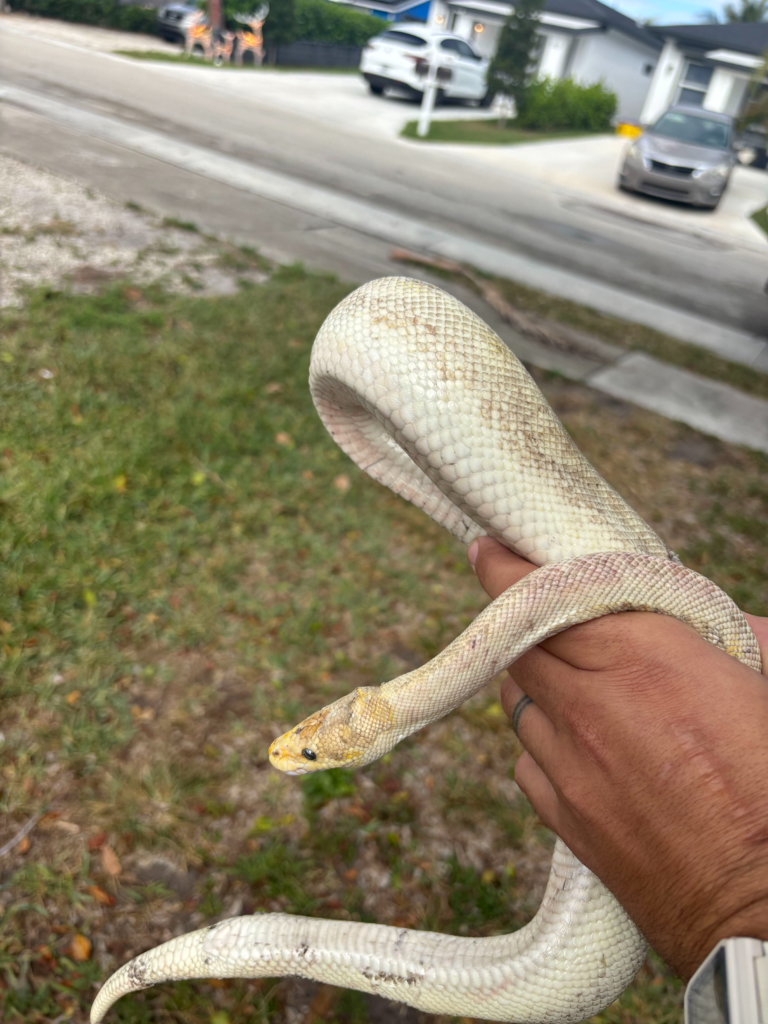
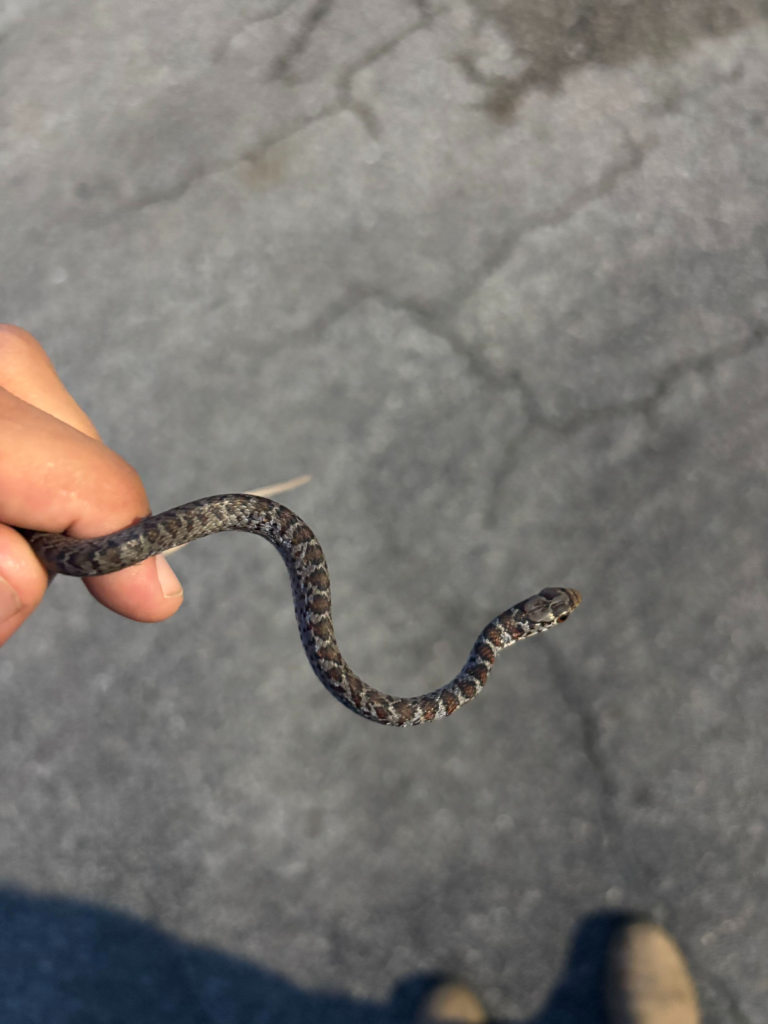
Many South Florida snakes are non-venomous, but homeowners should not rely on quick guesses. Color, size, and markings can be misleading, especially when a snake is moving quickly or partly hidden.
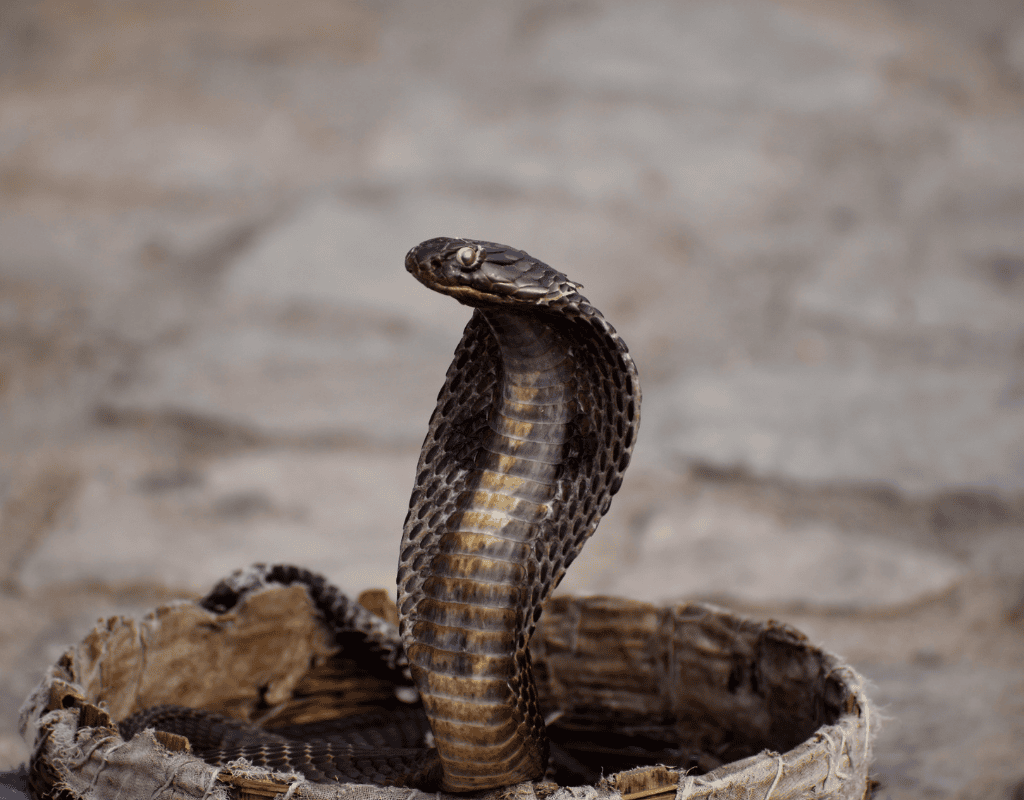
Some venomous snakes found in Florida include:
- Eastern coral snake
- Cottonmouth
- Eastern diamondback rattlesnake
- Dusky pygmy rattlesnake
Not every South Florida property is likely to see these species, but the possibility is enough reason to avoid direct handling. A snake does not have to be venomous to cause injury. A frightened snake may bite defensively, and improper handling can create unnecessary risk.
Snake Removal in South Florida: When Professional Help Is Needed
Professional snake removal in South Florida is most important when a snake is found in a high-risk area or when identification is uncertain.
Professional help should be considered when:
- A snake is inside the home
- A snake is in a garage, shed, or lanai
- A snake is near a pool deck or patio
- A pet has found or approached the snake
- The snake may be venomous
- There are repeated sightings
- The snake is hiding in clutter or equipment
- The homeowner cannot safely monitor the situation
Palm Beach Wildlife Services provides snake removal in South Florida for homeowners dealing with unwanted snake activity around residential and outdoor spaces.
How Snake Control Usually Works
Snake control is not only about removing the snake that is visible. A complete approach also looks at what attracted the snake and what can be changed to reduce future encounters.
Property Inspection
An inspection focuses on areas where snakes may hide, enter, or travel. This may include landscaping, garages, sheds, crawl spaces, pool equipment areas, fence lines, and exterior wall gaps.
Safe Removal
If the snake is present and accessible, it should be removed using safe handling methods. The goal is to avoid injury to people, pets, and the animal whenever possible.
Habitat Reduction
After removal, the property should be reviewed for conditions that may attract more snakes. Tall grass, clutter, debris, rodent activity, and open access points should be corrected.
Prevention Plan
The prevention plan should focus on sealing openings, reducing prey activity, keeping the yard maintained, and removing hiding areas.
Snake Prevention Tips for South Florida Homes
Snake prevention works best when the yard is less attractive to snakes and their prey.
Helpful prevention steps include:
- Keep grass trimmed short
- Remove wood piles and debris
- Store firewood off the ground
- Keep shrubs trimmed away from walls
- Seal gaps under doors and garage doors
- Repair torn screens
- Close sheds and garages when not in use
- Remove standing water where possible
- Store pet food indoors
- Secure trash cans
- Reduce rodent activity
- Keep pool equipment areas clear
- Avoid leaving clutter near patios or fences
The University of Florida IFAS Extension recommends a proactive approach that includes learning to identify commonly encountered snakes, preventing negative encounters, and planning for emergencies. Dealing with Snakes in Florida’s Residential Areas
How Landscaping Affects Snake Activity
Landscaping can make a property more or less appealing to snakes. Dense plants, ground cover, rock piles, and mulch beds may provide cool hiding spots. This does not mean all landscaping should be removed, but it should be maintained with visibility and access control in mind.
Good landscaping practices include:
- Keeping a clear border near the home’s foundation
- Trimming shrubs so the ground underneath is visible
- Avoiding thick vegetation against exterior walls
- Removing piles of palm fronds or yard waste
- Keeping garden storage organized
- Checking planters and pots before moving them
- Reducing rodent-friendly hiding areas
Open, well-maintained landscaping makes it harder for snakes to move unseen around the home.
Snake Activity Near Pools, Patios, and Garages
Pools, patios, and garages are common places for snake sightings because they offer shade, moisture, insects, frogs, and hiding areas.
Pools
Snakes may appear near pools while searching for water or prey. Some may accidentally fall in and become trapped. Pool screens, door sweeps, and reduced vegetation around the enclosure can help limit access.
Patios
Patios often have furniture, planters, outdoor kitchens, and shaded corners. These areas should be kept clean and uncluttered to reduce hiding spaces.
Garages
Garages can attract snakes if they contain boxes, stored materials, pet food, or rodent activity. Garage door gaps should be sealed, and stored items should be elevated when possible.
What Homeowners Should Avoid
Some actions increase risk during a snake encounter. Avoiding these mistakes helps protect people and pets.
Do not:
- Pick up the snake
- Try to kill the snake
- Use bare hands or household tools to move it
- Stand too close for a photo
- Let pets investigate
- Block exits while standing near the snake
- Ignore repeated sightings
- Assume every snake is harmless
- Use chemical repellents as the only solution
Snake repellents may offer limited results and should not replace proper yard maintenance, exclusion, and professional removal when needed.
What to Do After a Snake Is Removed
After snake removal, the next step is prevention. A removed snake does not guarantee that another one will not appear if the same attractants remain.
After removal, homeowners should:
- Walk the property and look for hiding areas
- Check doors, screens, vents, and garage seals
- Remove clutter and debris
- Address rodent activity
- Trim vegetation
- Monitor areas where the snake was seen
- Keep pets supervised outdoors
- Maintain a clear space around the foundation
The goal is to make the property less inviting and easier to monitor.
FAQ: Snake Removal in South Florida
Is snake removal in South Florida necessary for every snake sighting?
Not every snake sighting requires removal. If a snake is outdoors, away from people and pets, and moving away from the home, it may simply pass through. Removal is more important when a snake is inside, near living spaces, possibly venomous, or repeatedly seen.
What attracts snakes to South Florida yards?
Snakes are commonly attracted by rodents, frogs, lizards, water sources, tall grass, dense landscaping, wood piles, debris, sheds, garages, and quiet hiding places. Reducing food and shelter sources can help lower snake activity.
Are all snakes in South Florida dangerous?
No. Many snakes in South Florida are non-venomous and beneficial because they help control pests. However, homeowners should avoid handling any snake because identification can be difficult and even non-venomous snakes may bite defensively.
What should I do if a snake is in my garage?
Keep children and pets away, avoid approaching the snake, and do not attempt to trap it by hand. If the snake cannot safely leave on its own or cannot be identified, professional snake removal is the safest option.
How can I prevent snakes from entering my home?
Seal gaps under doors, repair screens, close garage doors, reduce clutter, trim vegetation, remove rodent attractants, secure trash, and keep the yard maintained. Snake prevention works best when both hiding places and food sources are reduced.
Conclusion
Snake removal in South Florida should be handled with caution, patience, and a focus on prevention. Many snakes are beneficial, but they can still create concern when they appear near homes, patios, garages, pool decks, or areas used by pets and children.
The safest strategy is to keep distance, avoid handling the snake, identify possible attractants, remove hiding areas, control rodent activity, and seal access points. When a snake is inside, close to daily living spaces, or difficult to identify, professional removal can help resolve the situation safely and reduce the chance of future encounters.