Rat removal in South Florida helps homeowners protect attics, walls, garages, kitchens, crawl spaces, and rooflines from rodent damage and contamination. The most effective approach includes identifying the rat species, locating entry points, removing attractants, controlling the infestation, sealing access gaps, and preventing future rodent activity.
South Florida homes are especially vulnerable to rat problems because warm weather, dense landscaping, fruit trees, canals, rooflines, and outdoor food sources allow rodents to stay active throughout the year. Roof rats and Norway rats are two of the most common rat concerns for homeowners, but they behave differently and often require different inspection strategies.
A rat problem should not be ignored. Rats can chew wiring, damage insulation, contaminate surfaces, and reproduce quickly when shelter and food are available.
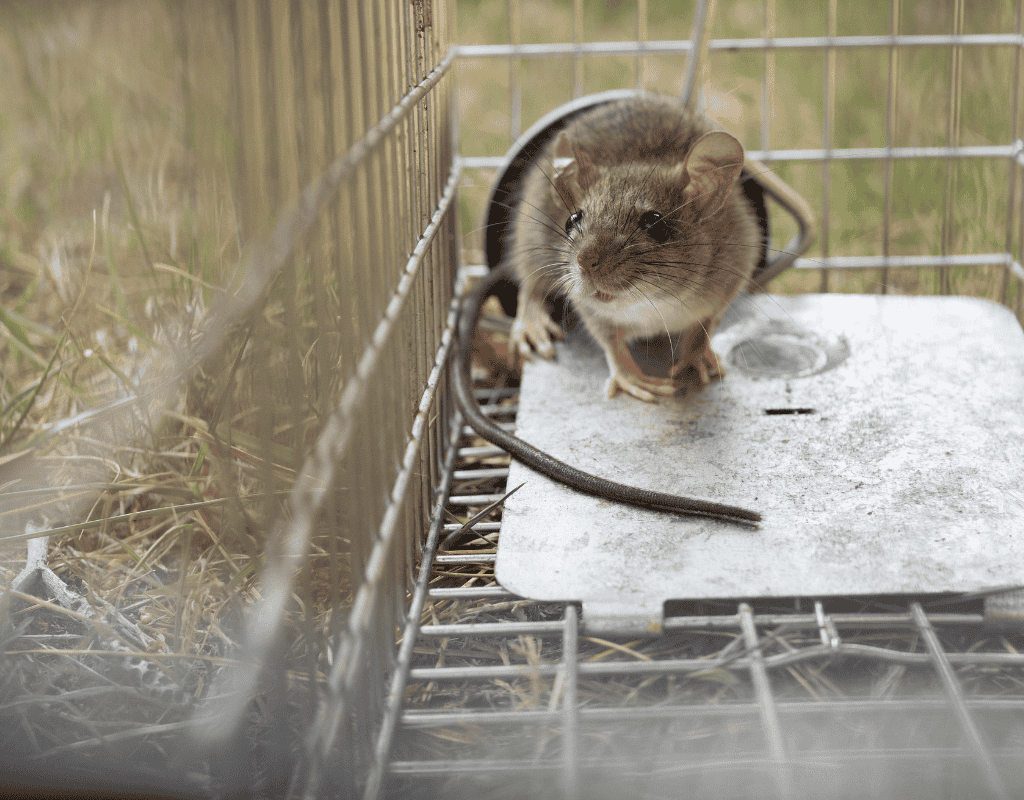
Why Rat Removal in South Florida Is Important
Rats are not just a nuisance. They can create property damage, sanitation concerns, and long-term infestation issues if entry points remain open.
Common rat problems include:
- Scratching sounds in walls or ceilings
- Droppings in attics, garages, kitchens, or pantries
- Gnaw marks on wood, plastic, vents, and wiring
- Grease marks along walls or baseboards
- Damaged insulation
- Chewed food packaging
- Nesting material in hidden areas
- Strong urine or musty odors
- Pets reacting to walls, cabinets, or attic spaces
The CDC explains that rodents can carry diseases that may spread directly or indirectly to people, and it recommends checking for droppings and gnaw marks as signs of rodent activity. Homeowners can review the CDC rodent control guidance for general prevention and safety information.
In South Florida, rat removal often requires more than traps. If rats are entering through roof gaps, utility openings, soffit damage, or foundation spaces, they may continue returning until those access points are sealed.
Roof Rats vs. Norway Rats in South Florida
Understanding the difference between roof rats and Norway rats can help homeowners recognize where to look for activity.
Roof Rats
Roof rats are agile climbers. They are often associated with attics, trees, rooflines, fences, vines, and overhead utility routes. In South Florida neighborhoods with palms, fruit trees, and dense landscaping, roof rats can move easily from vegetation to the home.
Roof rats commonly enter through:
- Roof vents
- Soffit gaps
- Fascia damage
- Gable vents
- Chimney gaps
- Utility line openings
- Tree branches touching the roof
- Openings near attic fans or roof returns
Inside the home, roof rats often nest in attics, wall voids, insulation, and upper structural spaces.
Norway Rats
Norway rats are typically larger and more ground-oriented. They are often associated with burrows, crawl spaces, garages, sheds, foundation gaps, trash areas, and ground-level access points.
Norway rats commonly enter through:
- Gaps under doors
- Crawl space vents
- Foundation cracks
- Garage door gaps
- Utility penetrations
- Drainage openings
- Burrows near patios or structures
- Openings around pipes
While Norway rats may enter buildings, they are more likely than roof rats to use ground-level shelter and burrowing areas.
Signs of Rats in the Attic
Attic activity is one of the most common reasons homeowners search for rat removal in South Florida. Rats often use attics because they provide shelter, warmth, nesting material, and access to the rest of the structure.
Signs of rats in the attic include:
- Light scratching or scurrying sounds at night
- Droppings on insulation or attic flooring
- Chewed insulation or duct material
- Nesting made from paper, fabric, or insulation
- Grease marks near openings
- Gnaw marks on wood or wiring
- A stale or ammonia-like odor
Rats are nocturnal, so noises are often more noticeable after dark. Scratching may be heard above bedrooms, near ceiling corners, or inside walls where rats travel between levels of the home.
Signs of Rats in Walls, Kitchens, and Garages
Rats do not always stay in the attic. Once inside, they may follow wall voids, plumbing lines, cabinet spaces, and utility chases to reach food and water.
Wall Activity
Rats inside walls may create scratching, chewing, or movement sounds. These noises may come and go depending on the time of night and the location of food sources.
Common wall-related signs include:
- Scratching behind drywall
- Sounds near outlets or plumbing areas
- Odors from hidden nesting sites
- Pets staring at or pawing near walls
- Small openings around baseboards or cabinets
Kitchen Activity
Kitchens attract rats because they provide food, water, warmth, and hiding places. Even a small amount of spilled food or unsecured pantry storage can support rodent activity.
Signs in kitchens include:
- Droppings in drawers or under sinks
- Chewed food packaging
- Gnaw marks on cabinets
- Nesting behind appliances
- Grease marks along baseboards
- Noises behind refrigerators or dishwashers
Garage Activity
Garages often provide easy entry because doors may not seal tightly. Stored items, pet food, bird seed, tools, boxes, and clutter can create ideal shelter.
Signs in garages include:
- Droppings along walls
- Chewed storage boxes
- Nesting in corners
- Food bags torn open
- Gaps under garage doors
- Tracks or smudge marks near walls
How Rats Get Into South Florida Homes
Rats can enter through surprisingly small openings. Once they find a weak point, they may gnaw around the area to make access easier.
Common rat entry points include:
- Roofline gaps
- Damaged soffits
- Open attic vents
- Loose screens
- Utility pipe openings
- AC line gaps
- Garage door gaps
- Broken crawl space vents
- Gaps under exterior doors
- Cracks near foundations
- Openings around plumbing lines
In South Florida, landscaping can also contribute to rat access. Tree branches touching the roof can create a direct path to attic openings. Dense shrubs near exterior walls may hide ground-level access points.
Rat Damage Homeowners Should Watch For
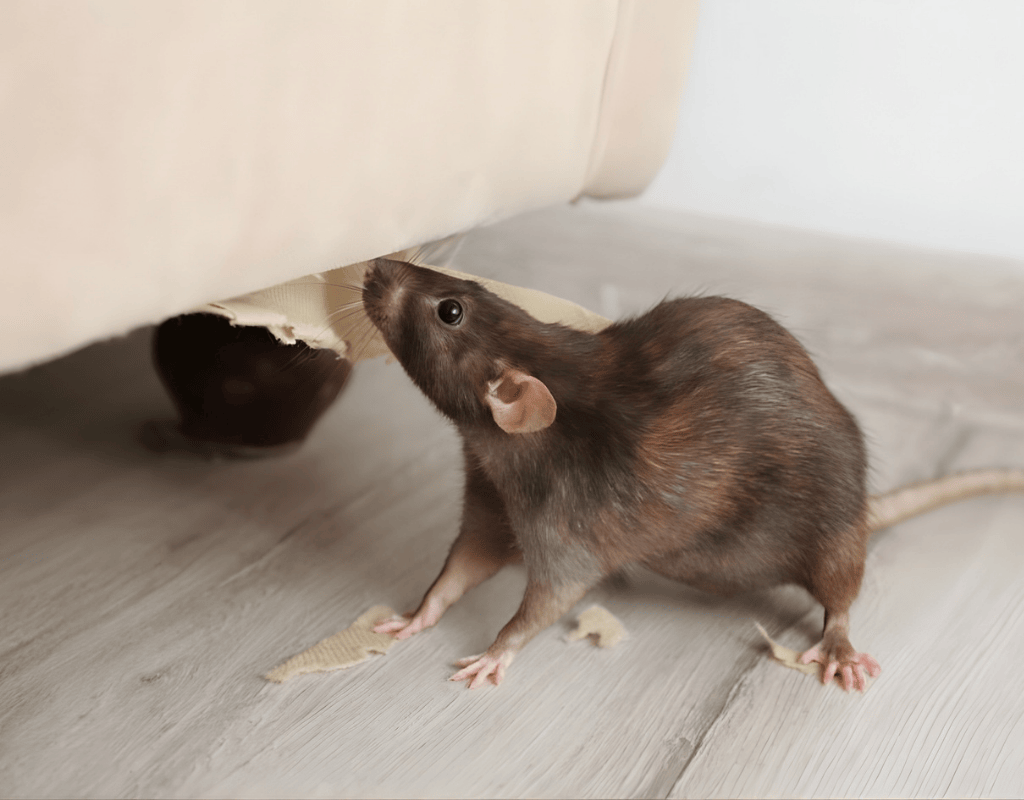
Rat damage can become expensive if it continues unchecked. Because rats need to gnaw constantly, they may chew many types of building materials.
Common damage includes:
- Chewed electrical wiring
- Damaged insulation
- Gnawed PVC or plastic materials
- Torn ductwork
- Chewed wood framing
- Contaminated attic spaces
- Damaged pantry goods
- Odors from urine and droppings
- Secondary insect activity
Chewed wiring is especially concerning because it may create fire risks. Any visible wire damage should be evaluated by a qualified professional.
Why Trapping Alone Often Fails
Many homeowners start with store-bought traps. While trapping may remove some rats, it rarely solves the full problem if entry points remain open.
Trapping alone may fail when:
- Rats are still entering from outside
- Food sources remain available
- There are multiple nesting areas
- Attic access points are hidden
- Droppings are not cleaned properly
- Vegetation still provides roof access
- Garage or foundation gaps remain unsealed
A complete rat control plan must address both the animals and the conditions that allowed the infestation.
For homes with attic noises, droppings, gnaw marks, or recurring rodent activity, Palm Beach Wildlife Services provides rat removal services in South Florida focused on inspection, removal, and prevention.
Rat Removal in South Florida: What the Process Usually Includes
Effective rat removal should follow a structured process. Skipping steps can leave the home vulnerable to repeat infestations.
1. Property Inspection
A detailed inspection identifies activity areas, entry points, nesting sites, droppings, and food sources. Rooflines, attics, garages, crawl spaces, kitchens, and exterior walls should all be checked.
2. Species Identification
Roof rats and Norway rats behave differently. Knowing which type is active helps determine where to focus removal and exclusion efforts.
3. Removal Strategy
A removal plan may include trapping, monitoring, and targeted control methods based on the infestation. Placement matters because rats use predictable travel routes along walls, beams, insulation edges, and hidden paths.
4. Entry Point Sealing
After activity is controlled, access points should be sealed with rodent-resistant materials. Foam alone is usually not enough because rats can chew through many weak materials.
5. Cleanup Review
Droppings, urine, nesting material, and contaminated insulation may need careful attention. Disturbing dry droppings without proper precautions can create health concerns.
6. Prevention
Long-term prevention focuses on sanitation, maintenance, storage, and exterior repairs.
Rodent Prevention Tips for South Florida Homes
Prevention is one of the most important parts of rat control. Because South Florida rats can stay active year-round, homes should be maintained with rodent pressure in mind.
Helpful prevention steps include:
- Trim tree branches away from the roof
- Store pantry food in sealed containers
- Keep pet food indoors overnight
- Secure garbage cans with tight lids
- Remove fallen fruit from yards
- Seal gaps around pipes and utility lines
- Repair soffit and fascia damage
- Check attic vents and roof returns
- Keep garages organized and uncluttered
- Seal gaps under garage doors
- Remove debris piles near the home
- Inspect after storms or roof repairs
Small maintenance habits can reduce the chance of future rat activity.
Safe Cleanup After Rat Activity
Rat cleanup should be handled carefully. Droppings and urine can contaminate insulation, storage areas, cabinets, and surfaces.
General cleanup concerns include:
- Avoid stirring up dust from droppings
- Do not dry sweep contaminated material
- Use proper protection when cleaning
- Disinfect affected surfaces where appropriate
- Remove contaminated nesting material safely
- Evaluate insulation if the attic was heavily used
If there is heavy contamination in an attic or enclosed space, professional cleanup may be safer than DIY cleaning.
When to Act on a Rat Problem
A rat problem should be addressed as soon as signs appear. Early response can reduce damage, contamination, and reproduction.
Homeowners should act when they notice:
- Nighttime scratching in ceilings or walls
- Droppings in the attic or kitchen
- Chewed food packaging
- Gnaw marks on wiring or wood
- Grease marks near walls
- Strong unexplained odors
- Repeated pet reactions to hidden areas
- Visible openings around the roof or foundation
Ignoring early signs can allow a small problem to become a larger infestation.
FAQ: Rat Removal in South Florida
What are the most common rats in South Florida homes?
Roof rats and Norway rats are two common rat concerns in South Florida. Roof rats often use trees, roofs, attics, and upper entry points, while Norway rats are more likely to use burrows, crawl spaces, garages, and ground-level openings.
How do I know if rats are in my attic?
Common signs include scratching or scurrying at night, droppings on insulation, gnaw marks, damaged ductwork, nesting material, and odors. Roof rats are especially likely to use attic spaces.
Is rat removal in South Florida different from regular pest control?
Rat removal in South Florida often requires both removal and exclusion because rodents can remain active year-round. A complete plan should identify entry points, remove the infestation, seal access gaps, and reduce attractants.
Can rats damage electrical wiring?
Yes. Rats can chew electrical wiring, wood, plastic, insulation, and duct materials. Any suspected wire damage should be evaluated carefully because damaged wiring can create safety concerns.
How can homeowners prevent rats from coming back?
Homeowners can reduce rat activity by sealing entry points, trimming roof-touching branches, securing trash, storing food properly, removing fallen fruit, repairing soffits and vents, and keeping garages and storage areas clean.
Conclusion
Rat removal in South Florida requires a complete approach that goes beyond setting a few traps. Roof rats and Norway rats can enter homes through different routes, damage different areas, and continue returning if food, shelter, and access points remain available.
The best strategy is to identify the species, inspect the structure, control the infestation, seal entry points, clean affected areas safely, and make the property less attractive to rodents. For homeowners dealing with scratching sounds, droppings, gnaw marks, or recurring attic activity, early action can help protect the home from damage and future infestations.